
Prisoners in Victoria cannot demand Vegemite, Supreme Court rules
The court found that the ban on the yeast spread, in place since 2006, is a reasonable measure for prison security despite claims it blocks a cultural right.
By Chloe Martin ·
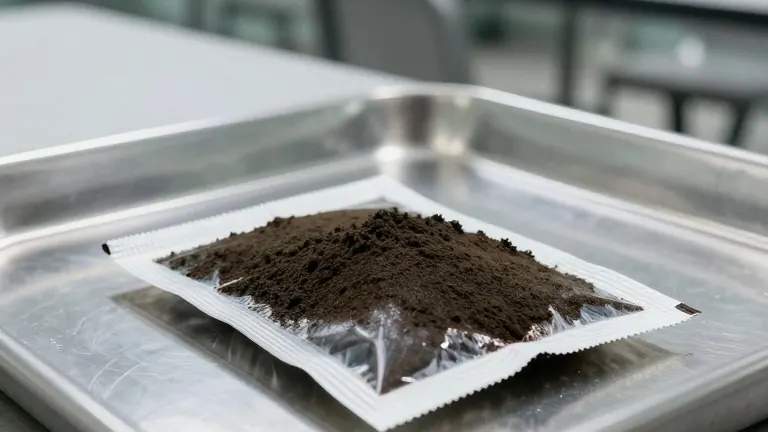
Victorian prisoners can no longer claim a human right to eat Vegemite, the state’s Supreme Court ruled on Monday. The decision ends a legal challenge brought by Andre McKechnie, who argued that denying the salty yeast spread prevented him from practicing his Australian culture. The court sided with corrections authorities, confirming that the ban remains in force for all inmates in the state.
McKechnie, serving a life sentence for the stabbing murder of Otto Kuhne, filed suit against Victoria’s corrections department. He stated that without the condiment, he felt disconnected from his family and community. His legal team contended that the refusal infringed upon his right to enjoy his culture under the human rights charter.
The spread has been prohibited in Victorian prisons since 2006. According to Corrections Victoria, the ban addresses two specific security concerns. First, the yeast-based product can interfere with narcotic detection dogs. Second, its properties allow it to be used in brewing alcohol, presenting a risk if inmates attempt to produce their own drinks.
Justice Claire Harris reviewed the case and acknowledged that Vegemite is a recognized part of Australian culture. She noted that the human rights charter could extend to certain foods. However, she determined that the specific refusal was a proportionate measure justified by the state's statutory obligations. The court found that the ban supports the management, security, and good order of the prison while ensuring the safe custody and welfare of the prisoners.
Harris concluded that the ban is reasonable and demonstrably justified. She rejected the claim that the refusal infringed upon the right to receive food adequate to maintain health and wellbeing. The ruling means that corrections departments can continue to enforce the contraband list without facing successful challenges based on cultural rights arguments.
The decision applies to Victorian correctional centers. Queensland, South Australia, and Tasmania also maintain bans on the product. In contrast, New South Wales permits Vegemite in its facilities. McKechnie was transferred to a Victorian prison ten years into his sentence, which was handed down more than three decades ago for the 1990s murder of Kuhne.
Vegemite was developed in Melbourne in 1923 as an alternative to Marmite. It has since become a common breakfast item, though opinions on its taste remain divided. The brand was acquired by Bega in 2013 from Kraft. The court's ruling does not change how the product is handled in other states or private settings, limiting the legal precedent to Victorian prison operations.
Source: The Guardian