Alliance envoys press Iran in Tehran to halt Houthi strikes on Saudi oil hubs
Saudi, Pakistani, and Turkish officials met on October 26 to negotiate a ceasefire after a missile attack on Riyadh killed 13 people.
By Chloe Martin ·

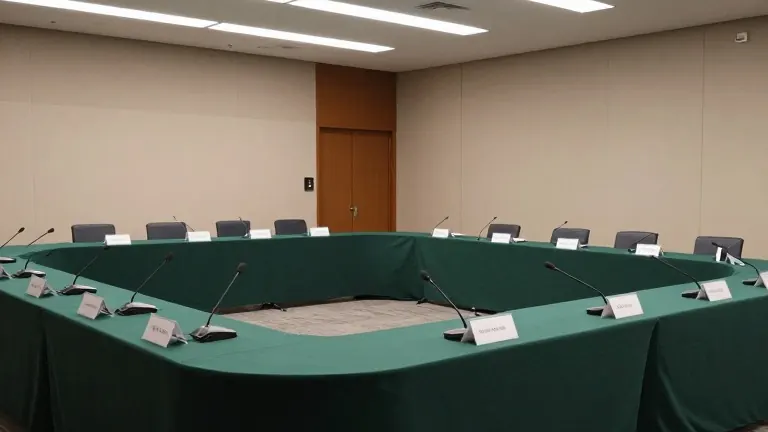
Representatives from Saudi Arabia, Pakistan, and Turkey convened in Tehran on October 26 to negotiate an end to Houthi missile attacks on Saudi infrastructure. The snap meeting brought together officials from the Mecca Defense Alliance and the Iranian government. Participants aimed to secure a rapid de-escalation of hostilities that have disrupted regional energy flows.
The Houthi rebels, who operate from Yemen and maintain ties to Tehran, intensified their attacks on Saudi targets earlier this month. A strike on King Khalid International Airport in Riyadh resulted in 13 deaths and more than 300 injuries. The group also issued warnings to airlines regarding the use of Saudi airspace. In response, Saudi forces launched strikes on Houthi positions in Yemen.
A senior security official in Islamabad stated that the primary objective of the talks is to persuade Iran to curb Houthi aggression. The official indicated that the alliance is prepared to propose closer security cooperation between Saudi Arabia and Israel if Tehran does not act. This proposal could involve Saudi participation in the Abraham Accords, a 2020 agreement that normalized relations between Israel and several Arab states. The official noted that Turkey already maintains diplomatic ties with Israel.
The meeting addresses the ongoing conflict between the United States and Iran. Islamabad-based analyst Azaz Syed described the talks as a final attempt to secure a negotiated settlement before Washington resumes military operations. Pakistan’s army chief, Asim Munir, traveled to Tehran the previous week to deliver a stern warning to Iranian leaders. Syed characterized the diplomatic effort as a last-ditch measure to prevent renewed fighting.
Hamidreza Azizi, a senior analyst at the International Crisis Group, viewed the Tehran gathering as an urgent step to stop escalation. He stated that the immediate priority is preventing a return to war between Iran and the United States. Azizi observed that the timing of the meeting reflects growing regional concern that diplomatic channels may be closing.
Tensions between Iran and Pakistan have complicated the diplomatic environment. Islamabad recently closed two border crossings in Baluchistan and adjusted digital currency remittance procedures for Iranian exports. Sources indicated that Pakistan suspended operating clearance for Mahan Air, an airline linked to Iran’s Islamic Revolutionary Guards Corps. Tehran retaliated by halting Liquified Petroleum Gas exports to Pakistan, causing domestic gas prices to rise. Pakistan imports approximately 7,000 metric tons of LPG from Iran daily.
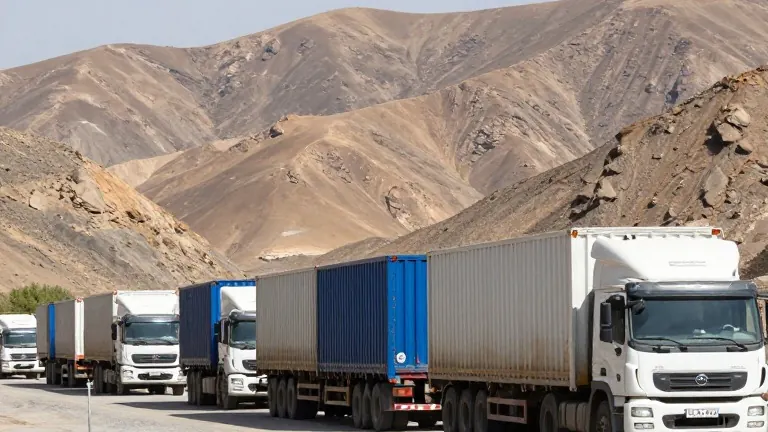
Reza Amiri Moghadam, the Iranian envoy to Islamabad, said consultations are under way to resolve the cross-border trade issues. He noted that several hundred trucks carrying LPG have been stuck at the Rimdan border for weeks without being unloaded. Saudi Deputy Minister for Public Diplomacy Rayed Krimly posted on social media that the meeting demonstrates the alliance’s commitment to regional stability.
Rabia Akhtar, a professor of international relations at the University of Lahore, described the talks as a regional crisis management effort. She stated that preventing further escalation is the top concern for the three partners. Akhtar added that establishing an understanding on restraint regarding Saudi security and the Houthis would constitute a meaningful outcome.
The Mecca Defense Alliance operates under a mutual-defense pact modeled on NATO’s Article 5. The agreement stipulates that an armed attack against one member state is considered an attack against all members. The alliance includes Saudi Arabia, Pakistan, and Turkey. Officials from these three nations are currently in Tehran to finalize terms with Iranian counterparts.
Azizi of the International Crisis Group noted that the meeting may keep communication lines open and reduce tensions temporarily. He explained that the core issue remains unresolved because Iran seeks security guarantees against future attacks. He added that regional mediators have limited power to influence Washington’s decision-making process regarding the conflict.
Source: RFE/RL