Louisiana gardeners advised to stock frost cloth
LSU AgCenter researcher says lightweight, breathable covers can add several degrees of insulation to protect tender plants during early fall and late spring freezes.
By Chloe Martin ·
Gardeners in Louisiana are advised to purchase insulating frost cloth now to protect cold-sensitive foliage from unexpected temperature drops. The average first frost date varies by region, arriving in early November in the northern parishes and early December in the south. Much of the state typically sees its first freeze by mid-November.
While these dates represent historical averages, weather patterns can shift. An early autumn frost can turn leaves and flowers dark and mushy before the growing season ends. A late frost in March or April can also damage new spring growth and freshly planted gardens. Preparation with the right materials helps mitigate this risk.
Damon Abdi, assistant professor of landscape horticulture at the LSU AgCenter Hammond Research Station, recommends having frost cloth on hand. "When we’re worried about an early frost in fall or a late frost in spring, frost cloth can give just a little bit of temperature insulation to keep your plants looking good," Abdi said.
While blankets can also shield plants, many gardeners prefer frost cloth for its lightweight and breathable properties. Studies at the Hammond Research Station have shown the material to be effective. "Frost cloths of different weights and materials can offer several degrees of insulation," Abdi noted. "During these transitional seasons, that can be the difference between the plants looking good and looking rough."
Shoppers at local garden centers will find various types of frost cloth. The products differ in material and weight. "You can have woven materials where there are interspersed strands, or you can also have a nonwoven material," Abdi explained. "And then there are also several weights available, so you can pick the material that’s going to work the best for your site and your plants."
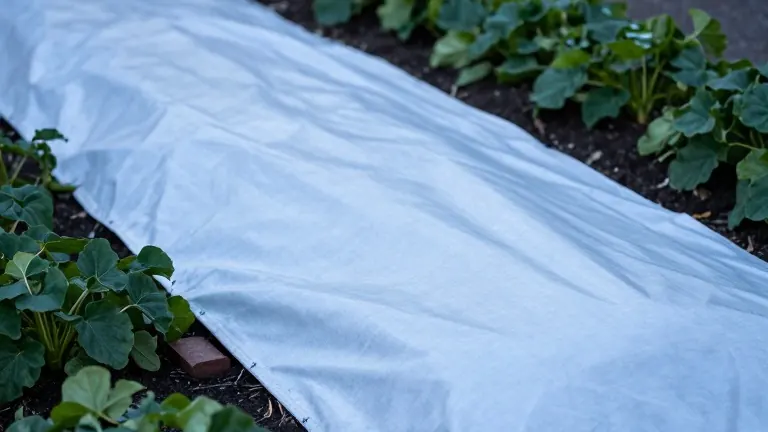
When a freeze is predicted, gardeners should drape the cloth over plants, ensuring it reaches the ground. Securing the cover with sod staples or heavy objects like bricks helps trap radiant heat rising from the soil. "That way, it can trap that radiant heat from the soil," Abdi said.
Plants in Louisiana generally only need covering during overnight hours. It is essential to remove or vent the cloth during the day. Failure to do so allows heat to build up underneath, which can burn the plants.
Source: The Advocate