Wildlife group urges UK to cut firework noise cap to 90 decibels
Campaigners argue the government's proposed 110-decibel limit fails to sufficiently reduce the stress zone around consumer fireworks.
By Jason Lee ·
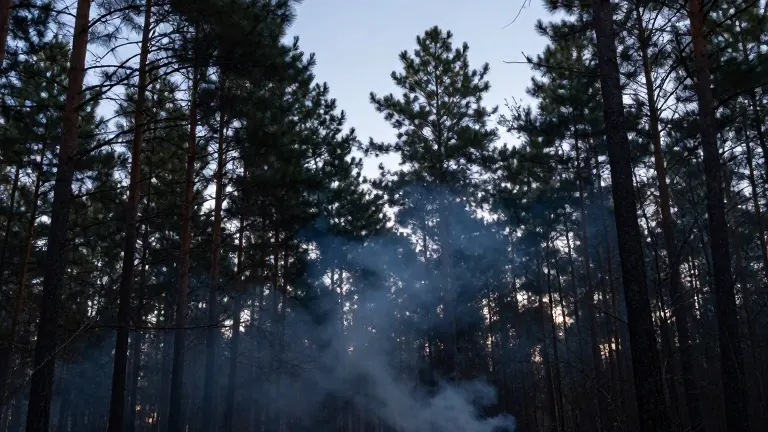
The Center for Wild Animal Welfare is urging the UK government to lower the maximum noise level for consumer fireworks to 90 decibels. This recommendation challenges the current regulatory baseline of 120 decibels and exceeds the 110-decibel target proposed in recent government consultations.
The group argues that reducing the cap to 90 decibels would shrink the disturbance area by a factor of one hundred compared to the government's current plan. Since decibel measurements function on a logarithmic scale, every 10-decibel reduction decreases the affected radius by a factor of ten. Richard Parr, the director of CWAW, noted that loud fireworks can penetrate up to 10 kilometers. He stated that such noise is particularly disruptive to wild animals, which may suffer more than domestic pets due to the unnatural nature of the sounds.
The proposal follows a parliamentary debate in January where two petitions collected more than 180,000 signatures each. Those petitions raised concerns about the noise and availability of fireworks. The government is currently consulting on several changes, including a ban on specific products and the removal of age limits for Christmas crackers.
Wildlife experts support the push for stricter noise controls. Rebecca Machin, a wildlife expert at the RSPCA, said that fireworks cause suffering and distress, particularly to birds. She identified disrupted migration, elevated stress hormones, and physical hazards from debris as primary impacts. Research has documented specific harms, including mass temporary displacement and fatal collisions among birds during displays.
One incident illustrates the potential severity of these effects. On New Year's Day in 2025, more than 1,000 birds were found dead near a hiking trail in Bulgaria. The site was located just over one kilometer from a fireworks display. Panicked birds flew into trees and each other, resulting in the mass casualties.
The British Fireworks Association responded to the call for a 90-decibel limit. A spokesperson said the group takes concerns about wildlife disturbance seriously but believes the case for such a drastic cut has not been made. The association favors better enforcement of existing laws and a national campaign for safe use. They also cited risks of unintended consequences, such as a shift toward illegal fireworks, if the limit is lowered without clear evidence of benefits.
New Zealand provides a comparative precedent for the proposed limit. The country introduced a 90-decibel cap on consumer fireworks in 2008. It also reduced the sales period and raised the minimum purchase age to 18. However, the UK government noted that defining a 90-decibel limit precisely in legislation presents challenges for testing and enforcement.
Source: The Guardian