800 pounds of food tossed at 2026 Taste of Chicago due to temperature failures
City records show 58 of 81 vendors faced health code violations during the July festival, with fewer than half holding valid inspections at the time of application.
By Chloe Martin ·
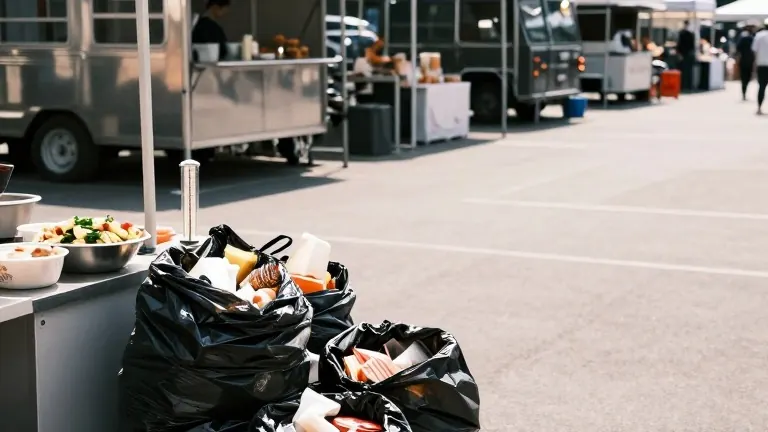
Temperature control failures dominated the health code violations recorded at this year's Taste of Chicago, forcing vendors to discard at least 800 pounds of food during the July event. City records obtained via the Freedom of Information Act show inspectors identified 82 specific instances where food was held at incorrect temperatures. Seven additional violations involved faulty cooling equipment. These temperature issues accounted for more than half of the total infractions logged during the five-day festival.
A total of 58 vendors out of 81 participating businesses received at least one health code violation. Ten vendors accumulated five or more violations each, while two vendors reached a count of nine. The most frequent citation was for improper holding temperatures, a factor researchers link to bacterial outbreaks involving pathogens like Salmonella and E. coli. At one Harold's Chicken food truck, inspectors found pre-cooked chicken held at unsafe levels on the first day. Staff discarded approximately 210 pounds of food in that single incident.
The application process for the festival requires vendors to submit a clean health inspection from a brick-and-mortar location or food truck within six months of the application date. Fewer than half of the 81 vendors met this standard. Only 35 vendors provided inspections that fell within the required timeframe. While all vendors had a pass on file with the Department of Public Health before the event began, many of those passes were outdated or based on conditional passes. Nine restaurants failed inspections at their permanent locations in the months leading up to the festival.
Ponce Restaurant, located at 4313 W. Fullerton Ave., failed an inspection on June 24, two weeks before the festival started. An inspector noted evidence of rodent activity, citing approximately 35 mouse droppings in the rear storage area. The restaurant passed a re-inspection on July 2, but records show inspectors failed the Ponce booth three times on the first day of Taste. Improper temperature holding led the vendor to discard at least 95 pounds of pork, plantains, lettuce, and tomatoes later that week. Ponce did not respond to requests for comment.
Yummy Halal, a food truck vendor, failed an inspection on June 16, just 22 days before the festival. An inspector observed approximately 40 or more rat droppings on the floor of the truck and noted wastewater streaming from the exterior water tank onto the street. During the festival, the truck failed five health inspections. Violations included improper holding temperatures and a lack of hair restraints. City inspectors shut down the truck for the day because it lacked a certified manager on-site. Yummy Halal did not respond to requests for comment.
Josephine's Southern Cooking was cited for washing dishes and preparing food on-site, actions that are prohibited. On the final day of the festival, inspectors failed the booth for filling shrimp dumplings on a folding table positioned behind a tent along the park hedges. Oooh Wee Smothered, a spin-off of the Chatham restaurant Oooh We! It Is!, racked up nine violations across two days. These included storing cooked chicken in a container that previously held raw chicken and testing a mayo-based sauce as too warm.
Richard Little, manager of the Chatham Oooh We! It Is!, said the Department of Cultural Affairs and Special Events provides shared cold storage trailers for vendors. He stated that a trailer malfunctioned on day one, affecting seven to 10 businesses, and that the restaurant was not compensated. Little said inspectors gave conflicting messages about on-site food preparation, with one allowing chopped green tomatoes and another prohibiting it hours later. He noted that vendors spend significant resources to participate and prioritize customer safety. DCASE stated it contracted an external company for the trailers and received no reports of malfunctions.
The Department of Public Health reported no signs of foodborne illness resulting from the 2026 event. A 2007 Salmonella outbreak linked to a hummus dish at the festival sickened more than 300 people. Jacob Martin, an information coordinator for the Department of Public Health, said the agency prioritizes events with higher vendor numbers for inspection. He noted that sanitarians do not inspect private events like Lollapalooza or Riot Fest, even though they take place on public property. Lollapalooza attracts more than 100,000 daily attendees in Grant Park.
A statement from a mayor's office spokesperson said the city continues to prioritize strengthening food safety inspections and compliance efforts. The statement mentioned multi-agency collaboration and preventative public messaging. It also noted that the city stays in touch with individuals testing positive for infections such as Cyclospora to trace their food history and identify potential clusters.
Source: Chicago Sun-Times
More Business · Unethical Practices · Report a business · Got a Story?