Arkansas researchers ask local families what maternal care data they need
A 12-month project funded by the Patient-Centered Outcomes Research Institute seeks to define research priorities for rural mothers.
By Chloe Martin ·

The University of Arkansas and Community Clinic are leading a 12-month effort to determine which maternal health questions matter most to Arkansas families. The project, funded by the Patient-Centered Outcomes Research Institute, launched on July 1 and focuses on gathering direct feedback from patients and providers.
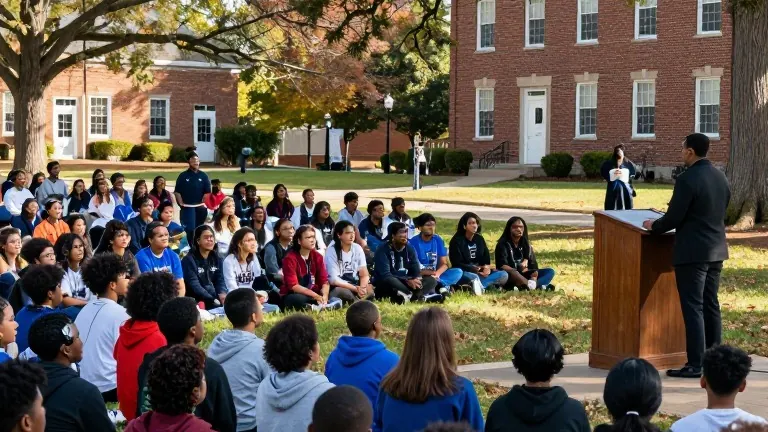
The initiative began with three in-person meetings designed to identify barriers to care. The first session took place on Oct. 1 and drew 48 participants, including pregnant and postpartum patients, family members, and healthcare workers from Northwest Arkansas. Representatives of Marshallese and Latino communities were present. Attendees cited transportation, childcare, insurance, and language differences as major obstacles to receiving timely postpartum services.
A central theme in the discussions was food access. Participants argued that nutritious food must be affordable, fresh, and culturally relevant, not just available. Marshallese attendees specifically noted that a one-size-fits-all approach to nutrition fails diverse communities. The group also emphasized the role of trusted community health workers and the importance of involving fathers and other family members in a mother's care.
Based on these conversations, the project team has drafted 18 preliminary comparative research questions. Patients and community stakeholders will review and prioritize these questions at upcoming meetings. Organizers expect approximately 150 participant interactions over the course of the year. Pregnant and postpartum patients will make up at least half of each meeting and will serve as paid co-facilitators.
To reduce barriers to participation, the project provides interpretation, childcare, transportation assistance, meals, and stipends. The final deliverables will include a top 10 patient-prioritized research agenda, a matrix of potential care comparisons, and multilingual summaries. The team also plans to create an engagement playbook and a sustainability roadmap for future studies in rural areas.
Mohsen Bazargan, the project lead and a distinguished medical sociologist, described prenatal care in rural Arkansas as an urgent public health concern. He noted that a lack of appropriate care impacts whole families and communities, making it a socio-economic issue as well as a health one. Lisa Stafford, senior vice president of research and innovation at Community Clinic, said the experiences of patients and community workers are essential for ensuring future research leads to whole-person care.
The state faces a shrinking infrastructure for childbirth. Arkansas has lost 10 hospital obstetric units since 2019, leaving only 30 hospitals providing labor and delivery services. Fifty-one of the state's 75 counties lack these services. In 2024, nearly three in 10 mothers did not begin prenatal care during the first trimester, and a 2023 survey found that nearly 16% of new mothers received no postpartum checkup.
Source: Talk Business & Politics