Election year politics clash with strong third quarter economic data
U.S. GDP grew 3.4 percent in the third quarter, yet high gas and mortgage prices keep many voters skeptical of the recovery.
By Jason Lee ·
President Donald Trump and his Republican allies face a difficult messaging challenge during the 2026 midterm elections. Despite favorable macroeconomic indicators, the administration must avoid making bold claims about the economy because many voters still feel financial pressure. This hesitation stems from a widespread public confusion about economic conditions, a sentiment illustrated by recent television advertisements depicting adults unable to define basic economic concepts for a child.
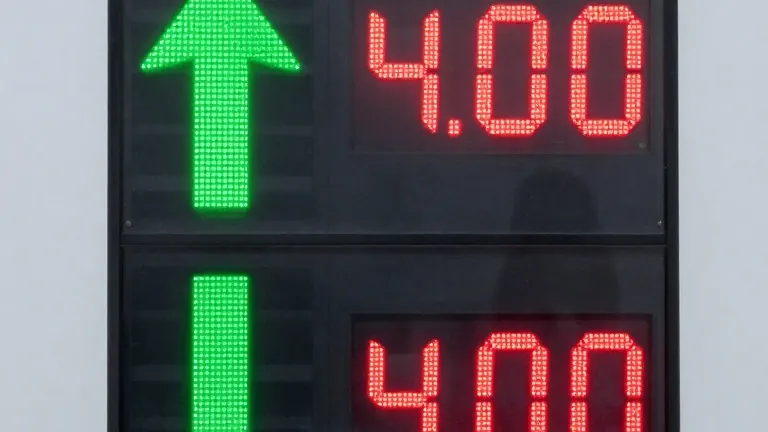
The discrepancy between national data and personal experience drives the tension. The U.S. economy expanded by 3.4 percent from June through September. The jobs market has remained strong and steady, resisting the negative effects of inflation and concerns regarding artificial intelligence. However, these aggregate figures do not fully capture the daily costs facing households. Gasoline prices remain near $4 a gallon in most of the country. Mortgage rates have stayed above 7 percent. Many food prices remain higher than they were a year ago.
These specific price points fuel a perception that the nation is in a recession. Democrats and media outlets frequently cite these high costs to argue that the economic outlook is poor. Personal stories from consumers who are struggling financially often carry more weight in public discourse than stock charts or monthly employment reports. This dynamic creates a narrative where individual hardship overshadows broader statistical growth.
Republican candidates typically focus on specific beneficiaries of the current economic environment rather than making sweeping generalizations. They point to construction workers earning high salaries on artificial intelligence data center projects. They also highlight General Motors and Ford employees who are working extra shifts to build trucks and SUVs. Retirees who have benefited from stock market gains this year serve as another example of individual success used in political messaging.
The stakes extend beyond the ballot box. Prolonged negative public sentiment about personal finances can discourage business investment. If this pessimism persists, it may reduce the overall economic upside available to American workers. The current political climate often prioritizes division and hatred over financial analysis, which complicates how voters evaluate their own pocketbooks.
Voters are left to weigh these competing signals. The official numbers indicate a healthy expansion, while the cost of living remains elevated for many. This gap between national performance and local reality defines the economic conversation as the midterms approach.
Source: WABC
More Business · Unethical Practices · Report a business · Got a Story?