
Fall recipes feature squash, maple, and gingersnap tart
Three new dishes use winter squash as the main ingredient, including a salad, a leek soup, and a cream cheese tart with a cookie crust.
By Chloe Martin ·
The phrase "pumpkin spice" has become a standard marker for the arrival of autumn, appearing in coffee shop windows and on restaurant menus. The term refers to a specific blend of cinnamon, nutmeg, ginger, cloves, and allspice. While these individual spices are common ingredients, the collective label is often used to signal the shift toward indoor activities and cooler weather.
Autumn offers a wide selection of winter squash varieties. These include kabocha, honeynut, butternut, and hubbard. They share a creamy texture and a warm flavor profile. Farmers markets and grocery stores in New England and other regions see high availability of these vegetables during this season. The recipes below utilize these ingredients without relying on the standard pumpkin spice label.
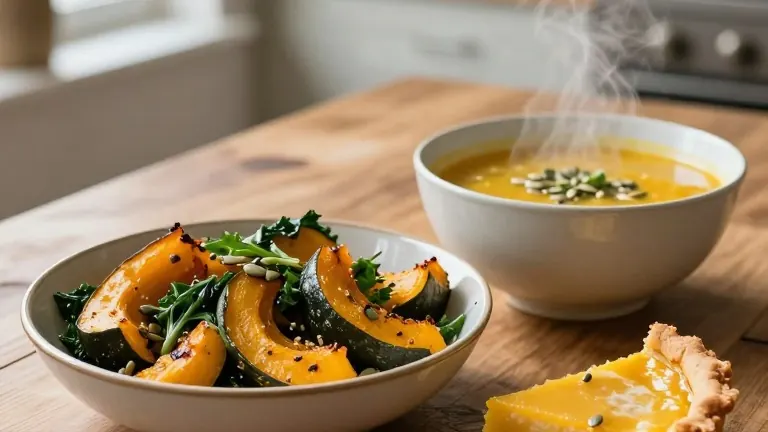
The first dish is a salad featuring roasted squash slices. It serves six people and pairs the vegetable with fall greens, currants, and maple-glazed pumpkin seeds. The squash is cut into half-inch pieces, tossed with olive oil, salt, and pepper, and baked at 425 degrees for 12 minutes. A drizzle of maple syrup is added before a final 10 to 15 minutes in the oven. The seeds are cooked in a skillet with oil, butter, and syrup, then sprinkled with coarse sea salt.
The salad dressing combines mustard, maple syrup, balsamic vinegar, and olive oil. Chefs are advised to use any juices from the bottom of the squash baking sheet to mix into the dressing. The final presentation involves arranging the greens in a bowl, placing the roasted squash along the edges, and topping the dish with the glazed seeds and currants. Half of the dressing is drizzled over the salad, with the remainder served on the side.
A second option is a squash and leek soup that serves four to six people. The preparation takes less than an hour. Leeks are chopped and cooked in olive oil for 10 minutes. Cubed winter squash is added and cooked for four minutes before stock is introduced. The mixture simmers for 15 minutes until the squash is tender. The soup is blended until smooth and can be topped with a drizzle of heavy cream and fried sage leaves. A vegan version can be made using vegetable stock and omitting dairy.
The third recipe is a pumpkin-cream cheese tart with a gingersnap crust. It serves six people. The crust is made by blending seven ounces of gingersnaps with melted butter and a pinch of ground ginger. This mixture is pressed into a 9-inch tart pan and prebaked for 6 minutes at 325 degrees. The filling consists of light brown sugar, one egg, six ounces of cream cheese, one cup of pumpkin puree, and a blend of ginger, cinnamon, nutmeg, and allspice.
The filling is poured into the prebaked crust and baked for approximately 50 minutes. The tart is cooled and then chilled for at least two hours. For serving, the top is sprinkled with chopped gingersnaps and coarse sea salt. Whipped cream, prepared with sugar and vanilla, is served on the side. The recipes note that various winter squash types are interchangeable in these dishes. Cooks are encouraged to use whatever variety is available at local markets.
The author notes that pumpkin seeds with shells require roasting after cleaning, while pepitas are hull-less seeds that can be used raw. The tart recipe acknowledges that the scent of the baking dessert evokes traditional autumn associations. The salad is described as a suitable first course or lunch option. The soup can be prepared a day in advance. All three dishes rely on the natural sweetness and texture of the squash rather than a pre-mixed spice blend.
Source: WEPR