FDA Approval of Generic HIV Shot Opens Door for $40 Annual Treatment
The new lenacapavir formula will cost the same as daily pills but requires only two injections per year, aiming to reach 120 low and middle income countries.
By Jason Lee ·
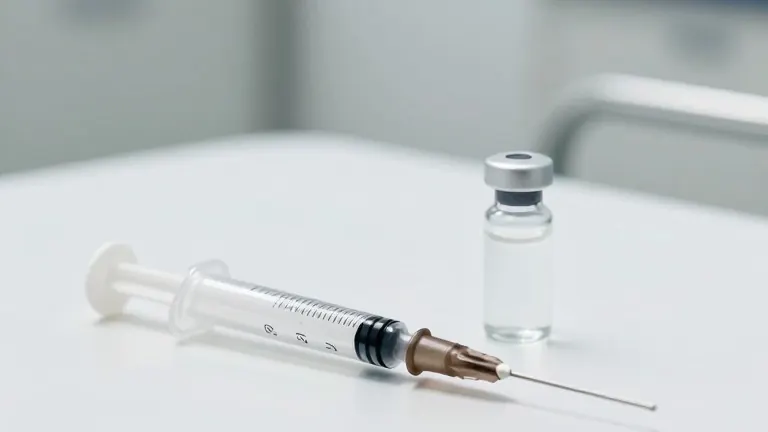
The U.S. Food and Drug Administration approved a generic version of lenacapavir on Monday, a move that could dramatically lower the cost of HIV prevention for people in 120 low and middle income countries. The drug is the only approved shot that prevents HIV and is administered just twice a year. Manufacturers and health organizations announced the approval early in the morning, signaling a shift toward more affordable access in regions where supply has previously been limited.
The expected cost for the new generic is $40 per person annually. This price matches the current cost of daily preventive pills, or pre-exposure prophylaxis, but the shot offers a different advantage: convenience. Patients need injections far less frequently than daily doses. In two major studies involving people at high risk, the shot nearly eliminated new infections. Carmen Pérez Casas, the HIV lead for the grant-making organization Unitaid, noted that daily pills are often missed, which leaves patients unprotected. With the twice-yearly shot, she said, there is much more hope for consistent coverage.
Carolyn Amole, who leads the HIV program for the Clinton Health Access Initiative, stated that an affordable generic version could help scale treatment to the 20 million people worldwide who need PrEP. She added that reaching that level of coverage could begin to end the HIV epidemic. According to the World Health Organization, 41 million people were living with HIV globally last year, and 570,000 died from related causes.
Generic lenacapavir is not yet available for sale in the United States because the brand-name version, Yeztugo, made by Gilead Sciences, is still protected by a patent. The U.S. list price for the brand-name drug is $28,218 per year. Gilead officials said this price is similar to other types of PrEP. The FDA designated the new approval as tentative, which is standard for generics while the original patent remains active. This U.S. approval can help speed up regulatory processes in other nations.
Until now, Gilead was the sole supplier of lenacapavir, and demand in low and middle income countries has exceeded available supply. Last year, Gilead signed royalty-free licensing agreements with six generic manufacturers. These voluntary licenses cover specific countries in sub-Saharan Africa, Asia, and Latin America. A Gilead spokesperson said in a statement that the company believes it has enabled the fastest path to expanding access for communities most affected by HIV.
The specific generic approved by the FDA was developed by India-based Dr. Reddy’s Laboratories. The work was brokered by Unitaid, the Clinton Health Access Initiative, and Wits RHI, a health research institute in Africa. Common side effects of the drug include injection site reactions, headache, and nausea. Patients must be tested for HIV before starting treatment and with each injection, as drug-resistant HIV has been found in people with undiagnosed infections.
Partners in the effort said the generic should become available in some locations within weeks. It may take longer in countries that require their own domestic approval processes. Other generic versions produced by different manufacturers have not yet received FDA approval. Saiqa Mullick, director of implementation science with Wits RHI, emphasized the need for HIV testing in advance for any form of PrEP, noting that this often involves rapid tests in lower income settings.
Source: KSAT-TV