IDF Data Reveals Deif Entered Tunnels Before October 7 Strike
Newly released findings show the Israeli military tracked the Hamas commander’s movement into a subterranean command center hours before the attack began.
By Chloe Martin ·
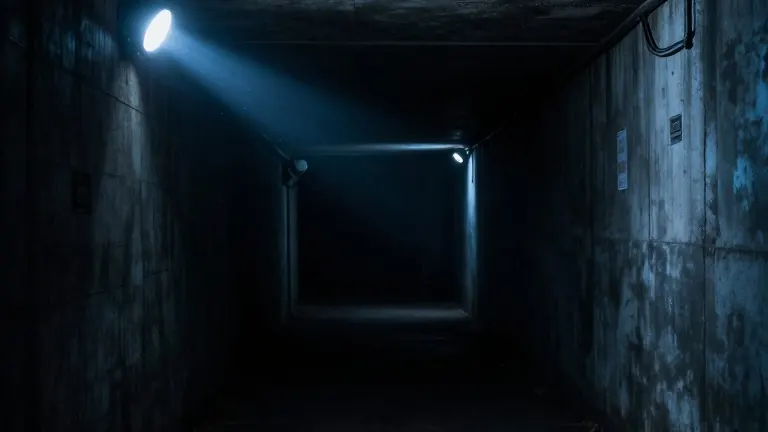
The Israeli military tracked Hamas military wing chief Muhammad Deif as he entered a tunnel network on the night before the October 7, 2023 attack, according to declassified findings released Wednesday. This specific intelligence gap became central to the IDF’s internal review of why the surprise assault was not anticipated. Until this week, the majority of these pre-attack indicators remained classified. Only the activation of dozens of Israeli SIM cards held by Hamas’s elite Nukhba force was previously permitted for public release.
Security officials authorized the publication of additional anomalies detected on the eve of the conflict. These included Hamas operatives removing tarps from rocket-launching tunnel shafts and various preparations within the group’s anti-tank missile array. At approximately midnight between October 6 and 7, 2023, the military received intelligence that Deif’s underground command center had been activated. This facility was designed for use during emergencies. The identification of this activity prompted the military to dispatch a surveillance drone from the West Bank to the Gaza Strip. The objective was to determine if Deif himself was at the site or if it was one of his aides.
In the immediate aftermath, intelligence officers struggled to confirm the commander’s presence. An Air Force drone arrived above the site in the early morning hours but could not verify Deif’s location. The investigation later confirmed that Deif had indeed entered the subterranean command center. The unusual signs that night also led the IDF and Shin Bet security agency to deploy a Tequila team to the Gaza border. This elite counterterror force consisted of Shin Bet fighters and members of the police’s Yamam unit. The team was positioned to handle advanced capabilities unrelated to a terrorist infiltration scenario.
Some Shin Bet officials viewed the activity at the emergency compound as a potential opportunity to eliminate Deif if his presence was confirmed. The military’s investigation determined that some of the five identified anomalies had alternative explanations or were not considered strong enough indications of a threat. Other signs indicated that Hamas was maintaining its expected routine activity. Each sign alone did not signal a major threat to the IDF, and some had occurred several times in the past. However, the accumulation of these signs was unusual. Intelligence officers performed numerous checks during the night to confirm or refute Hamas plans to attack Israel. Some checks led to signs being dismissed, while others remained open. No officer interpreted the signs as meaning something could happen imminently.
The investigation found that if top officers had seen the full intelligence picture, they might have decided to raise the alert level for a pinpoint attack. The military’s conduct and decision-making that night were based on years of false assessments about Hamas. As a result, intelligence officials failed to provide a warning for what would follow. More than 1,200 people died in Israel during the October 7 attack, mostly civilians, and 251 people were kidnapped. The conflict that followed raged until a ceasefire in October 2025. Deif, who led Hamas’s military wing for years, was killed in a strike in Khan Younis in July 2024.
Source: The Times of Israel