New Zealand election hinged on urban cost of living crisis
Ruling National party faces a split vote as rural prosperity contrasts with urban stagnation six days before the general election.
By Chloe Martin ·
New Zealanders go to the polls on November 7, 2026, amid a sharp economic divide that threatens to break the ruling National Party's coalition. The party won the 2023 election on promises to cut inflation and government debt, but urban voters who helped deliver that victory now cite a cost of living crisis as their primary concern.
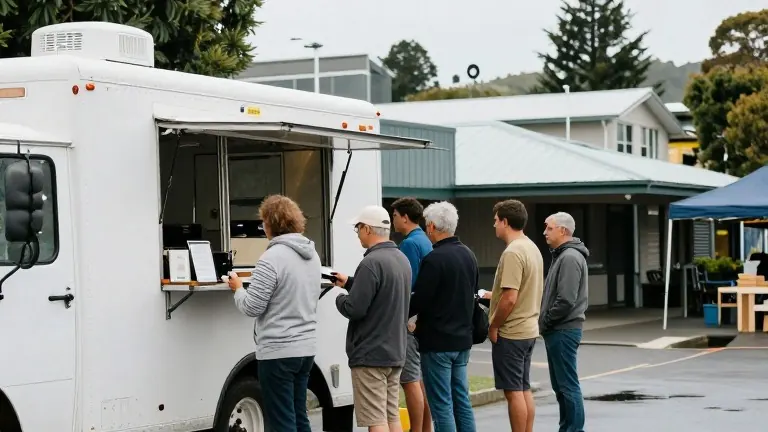
In the Hutt South constituency northeast of Wellington, 70-year-old part-time bus driver Liz Hartley represents a growing bloc of tired voters. Hartley, who is queuing at a food truck in Lower Hutt, plans a tactical vote to deny reelection to National Party incumbent Chris Bishop. She works to pay for basic extras, noting that rising prices leave little money by the end of the week.
Bishop, a senior government figure, told Reuters that his economic plan is beginning to work. He asked voters for more time to see the strategy through, arguing it will drive prosperity in the communities east of the capital. However, local voters report that expenditure cuts in the capital have eliminated contractor jobs and reduced spending at shops.
The national economy presents a two-speed picture. Rural areas, particularly on the South Island, have benefited from tourism and higher agricultural exports. Second-quarter retail spending in the South Island rose 8.6% on the year. Unemployment in that region fell by 0.6 percentage points during the same period.
Urban centers on the North Island, including Auckland and Wellington, have fared worse. Consumer spending in these areas rose only 5.8%, while unemployment increased by 0.7 percentage points. This divergence leaves roughly 65% of the country's 5.5 million residents, who live in cities of 30,000 or more, feeling left behind by the current recovery.
Housing prices reflect this urban stagnation. In Wellington, home values have dropped almost 30% from their peak. In Auckland, prices are down 24.7%. The national average decline stands at 17%. Kiwibank Chief Economist Jarrod Kerr described the situation as a third of the economy doing well while the other two-thirds struggle to find their feet.
Political commentators note that the National Party's reputation as a fiscal manager has taken a hit. Grant Duncan, a political commentator, stated that the government made economic promises in 2023 that it could not keep. Liam Hehir added that voters are tired of being told to wait for benefits from fiscal restraint and infrastructure investment.
Polls show no clear path to government for any coalition. Voters are considering the left-leaning Labour party and the centrist Opportunity Party, which could become the first new party in government since 1996. Opportunity Party leader Qiulae Wong said in August that people are looking for something different, drawing urban professionals disillusioned with the traditional left-right divide.
Source: KOYY