Oregon's 3.1 Million Mail Ballots Face Triple Checks Before Counting
Linn County Clerk Marcie Richey outlines the strict security and verification steps used in the state's fully mail-based election system.
By Chloe Martin ·
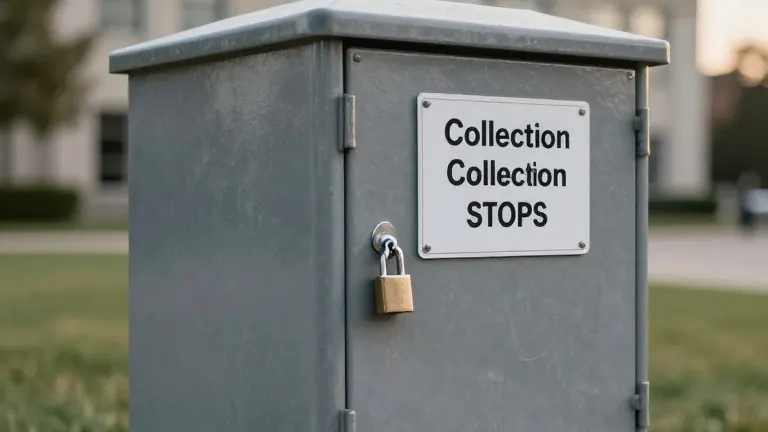
More than 3.1 million Oregon voters receive ballots by mail, with roughly 300 dropboxes across the state serving as collection points for the 2026 general election.
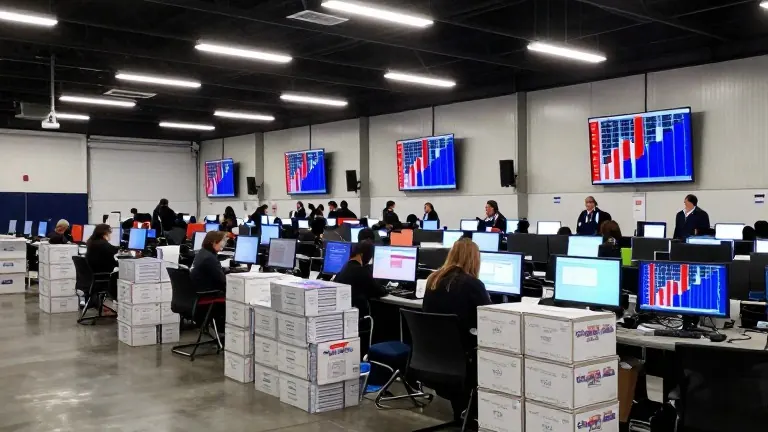
The process begins when election workers collect ballots from mail and dropboxes, typically twice a day in populated areas and once a day in rural locations. Workers carry identity affidavts and use locked bags to transport the ballots to the county clerk's office. Each batch is sorted into trays and paired with a yellow auditing form that tracks ballot counts and identifies any missing signatures or anomalies.
Staff then run the trays through a machine that counts the ballots and scans the signature on each blue envelope. Workers verify these signatures against voter registration records on a monitor. If a signature does not match, officials review the ballot, and if rejected, the clerk's office mails the voter a notice and a request for a new signature. This step also identifies duplicate ballots, a situation Linn County Clerk Marcie Richey noted is more common among elderly residents who forget they have already voted.
An extraction machine separates the ballots from the envelopes, after which staff hand count the envelopes and the ballots separately. Two different people count each item, write their numbers down silently, and then compare their results. Once verified, the ballots are stored in a holding room until the tallying phase begins. The tallying machines and the room housing them are completely disconnected from the internet, using software called Clear Ballot to count the votes.
Security measures in the clerk's office include cameras in every room with ballots, thick mesh glass windows, and motion sensors that notify Richey and local law enforcement after hours. Until results are certified, even custodial staff are barred from the ballot rooms. Richey, who has worked at the office since 1993, prefers the mail system because it reduces the need to train inexperienced poll workers and minimizes errors.
Oregon law requires clerks to store ballots for 90 days after the election contest deadline, though a March executive order from the Trump administration asks for five years of storage for general elections. Oregon is currently a plaintiff in lawsuits challenging that order. While counties can begin tallying before the November 3 deadline, they cannot release results until 8 p.m. on that date.
Historical data indicates that fraud in such systems is rare. A 2020 study by the Oregon Legislative Fiscal Office found only 38 criminal convictions among 61 million ballots cast between 2000 and 2019, a rate of 0.00006 percent. The Brookings Institution reported similar findings for national elections, noting about four fraud cases per 10 million mail ballots.
Source: Portland Tribune