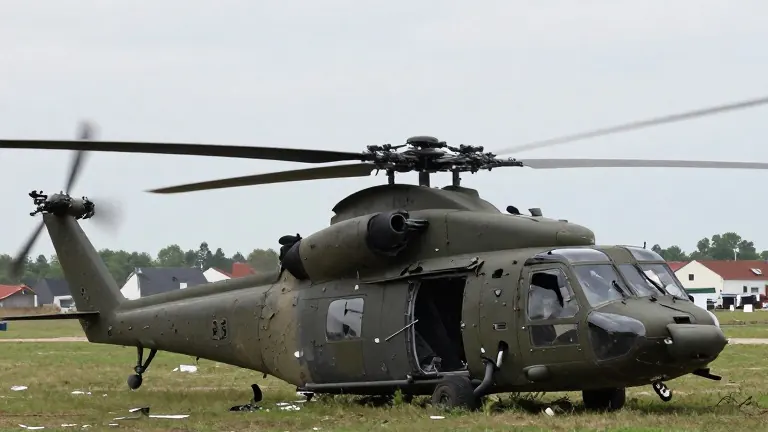
54 hours of silence: Aid moves toward Oleshky as truce holds
Ukrainian and Russian officials confirmed the localized ceasefire in Kherson Oblast has persisted since Tuesday, allowing engineers to clear roads for a convoy.
By Chloe Martin ·
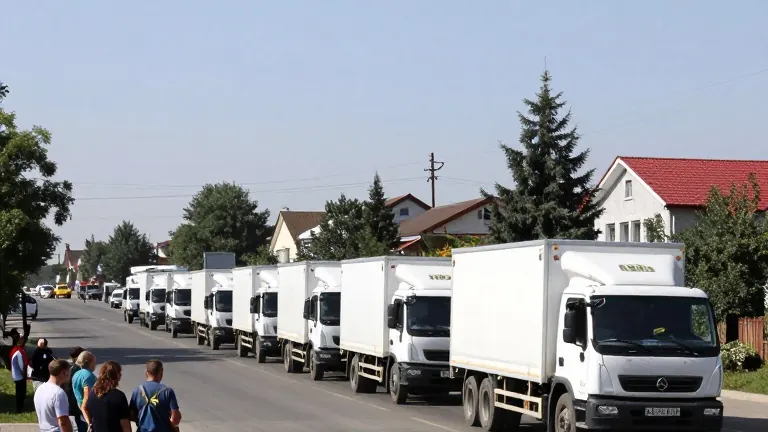
Ukrainian and Russian officials confirmed on Thursday that a localized ceasefire surrounding the city of Oleshky has held for 54 hours. The pause in fighting, which began on Tuesday, allows for the first major humanitarian aid delivery to reach approximately 2,000 people trapped in the Russian-occupied settlement. A convoy carrying food and medical supplies is scheduled to enter the city on Friday.
The truce marks a distinct shift from previous attempts at cessation, which often collapsed quickly. Both sides credited U.S. First Lady Melania Trump with helping broker the arrangement. The White House stated that her intervention facilitated the agreement, while Pope Leo XIV also publicly called for a halt to hostilities in the area. The six-day ceasefire is designed to create a safe corridor for supplies and to allow for the evacuation of civilians.
Ukrainian Ombudsman Dmytro Lubinets reported that the parties are fully adhering to the agreements. “The ceasefire has been in place for 54 hours now,” Lubinets said. He added that no violations have been reported since the agreement took effect. His Russian counterpart, Yana Lantratova, confirmed the truce was holding. She stated that Russian engineers are currently clearing landmines from roads to prepare a safe passage for the humanitarian convoy.
Lanatratova said her team was en route to Oleshky for the delivery. Lubinets arrived in Belarus and plans to head to the city from there. Lantratova described the operation as five months in the making. Local residents will have the option to evacuate to either Russia or Ukraine, though the specific mechanics of that process remain unclear.
In nearby Kherson, which remains under Ukrainian control, the silence has altered daily life. Residents who previously avoided the streets due to drone threats were seen walking and gathering in larger numbers. Nataliia Myronenko, 42, runs a coffee kiosk and noted a steady stream of customers since early Thursday. “Now, during the quiet, we have people at lunchtime and in the evening, which we didn’t have under the attacks,” Myronenko said. She described the pause as a breath of freedom, noting that people no longer feel compelled to look at the sky for threats.
Elsewhere, the wider war continued. A jet-powered Russian drone struck two passenger trains stopped at a station in Dnipro, killing at least 14 people and injuring 10 others. Russian cruise missiles and drones also killed four civilians in the cities of Chernihiv and Kremenchuk. Russia’s Defense Ministry announced that air defenses downed 1,214 Ukrainian drones overnight, the largest such attack reported in recent days. Mayor Sergei Sobyanin of Moscow said around half of those drones were heading toward the Russian capital.
The diplomatic landscape is shifting as Moscow and Kyiv seek to influence Washington ahead of possible three-way talks next month. Russian President Vladimir Putin praised Elon Musk as a genius, noting that Russia is in contact with the tech leader to coordinate satellite orbiting activities. Lavrov is scheduled to travel to Atlanta for a G20 ministerial meeting starting Friday.
Source: Philadelphia Daily News