Native voter registration plummets 59 percent in key counties
New data from the Native American Rights Fund reveals steep declines in registration and rising removal notices in areas with high Indigenous populations.
By Jason Lee ·
Voter registration in counties with high Native populations fell by 59 percent between 2020 and 2024. This decline stands in sharp contrast to the national average, which dropped by 22 percent over the same period. The figures come from a new report by the Native American Rights Fund, titled "Obstacles Persist: According to the Data: Barriers to political participation faced by Native American voters." The study analyzes trends across 30 counties where American Indians and Alaska Natives make up more than 25 percent of the population.
Megan Gall, principal and founder at Blockwell Consulting, co-authored the report. She stated that the drop in numbers does not reflect a lack of effort from Native voters. Gall explained that systemic issues chip away at participation throughout the voting process. The report relied on data from the U.S. Election Assistance Commission’s Election Administration and Voting Survey for the years 2020, 2022, and 2024. It also examined 13 focus states with the highest overall American Indian and Alaska Native populations.
One persistent issue is the high rate of provisional ballot rejection. Gall described provisional ballots as a last resort for voters whose registration status is questionable. In the select counties studied, the rejection rate for these ballots dropped from 66 percent in 2020 to 41 percent in 2024. While this decrease is positive, it remains higher than the 25 percent national average. Gall noted that these problems occur nationwide but appear in more pronounced ways in Indian Country.
Voter roll cleaning has also intensified for Native communities. The number of removal notices sent to voters in the 30 select counties grew by 178 percent from 2020 to 2024. Nationally, and in the focus states, this figure grew by 40 percent. In Indian Country, 90 percent of these notices went unanswered in 2024. Gall pointed to nonstandard mailing addresses as a key factor. She described addresses that are difficult to locate, such as locations defined by landmarks rather than street numbers. This makes it hard for mail to reach voters, leading to many falling off the rolls.
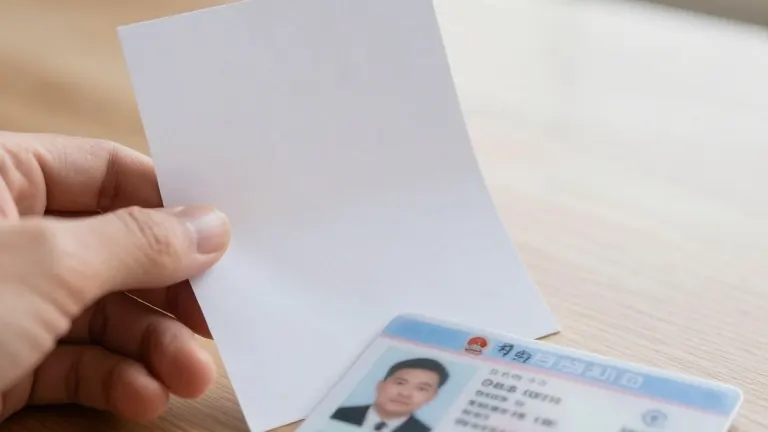
Tristan Douville, a 27-year-old Tlingit man from Craig, Alaska, experiences these barriers firsthand. His driver’s license lists a post office box for his village. Because he lacks a standard mailing address, he often must provide additional documents to prove his identity when voting. Douville, who serves as special projects manager for the Central Council of Tlingit & Haida Indian Tribes of Alaska, said the need for secondary identification creates unpredictable challenges. He works to get rural Alaska voters to the polls for the Nov. 3 general election. Voters in his region often face plane rides to polling places and late-fall snowstorms.
The report suggests increased investment in ballot curing as a solution to the removal problem. This process allows for easier confirmation of voter identity. Allowing same-day voter registration is another potential fix, a mechanism that is rare in states with high Native populations. Douville noted that Indigenous voters are more engaged in this cycle than in previous ones. He cited the historic run of Mary Peltola, a Yup’ik candidate vying to become the first Alaska Native woman in the U.S. Senate, as a source of inspiration.
Douville emphasized the importance of mail-in voting for those in remote areas. He said standing in line at a polling place is not an option for many rural Alaskans. The Nov. 3 election is the next scheduled event where these barriers will be tested in the field.
Source: Indian Country Today