14 Propositions Decide California's Fiscal Future
Voters choose between Xavier Becerra and Steve Hilton for governor while 14 ballot measures, including a $11.5 billion housing bond, face a decisive vote.
By Chloe Martin ·
California voters face a pivotal choice on Tuesday, November 3, 2026, as they select the next governor and decide on 14 state propositions. The election determines the state's leadership for the next four years, a position vacated by Governor Gavin Newsom, who is term-limited and unable to seek re-election.
The race for governor features Democratic candidate Xavier Becerra against Republican Steve Hilton. Becerra, a former U.S. Secretary of Health and Human Services and California Attorney General, entered the race as a favorite after Eric Swalwell dropped out of the June primaries amidst allegations of sexual misconduct. Hilton seeks to become the first Republican governor elected since Arnold Schwarzenegger in 2006.
In Los Angeles, the mayoral race remains tightly contested between incumbent Karen Bass and District 4 Councilmember Nithya Raman. A recent survey by the UC Berkeley Institute of Governmental Studies showed both candidates at 40 percent approval, with 19 percent of polled voters undecided. The campaign focused on homelessness, public safety, and preparations for the LA28 Olympics.
Voters also decide the leadership of the Los Angeles County Sheriff's Department, pitting incumbent Robert Luna against former sheriff Alex Villanueva. Additionally, Los Angeles residents choose between two Democratic candidates for city attorney: Marissa Roy, deputy attorney general, and John McKinney, who narrowly defeated incumbent Hydee Feldstein Soto in a prior contest.
The ballot includes several high-stakes financial measures. Proposition 1 authorizes $11.5 billion in bonds for multifamily housing, CalVet housing, and youth housing. Proposition 37 proposes a second mortgage program funded by $25 billion in bonds. Proposition 40 imposes a one-time 5 percent tax on estates and trusts with over $1 billion in assets to fund healthcare, food assistance, and public education.
Other notable measures include Proposition 3, which renews tax credits from the 2012 Proposition 30 to support education and early childhood programs. Proposition 39 requires voters to show official ID to cast ballots and mandates that election officials use government data to verify citizenship. Proposition 42 bans new taxes on property or retirement funds after January 1, 2026.
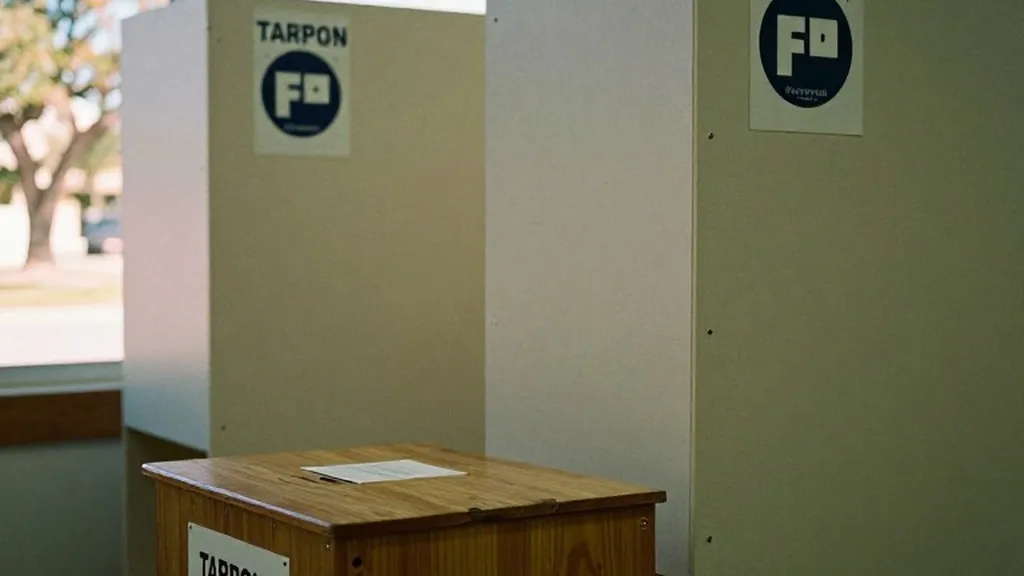
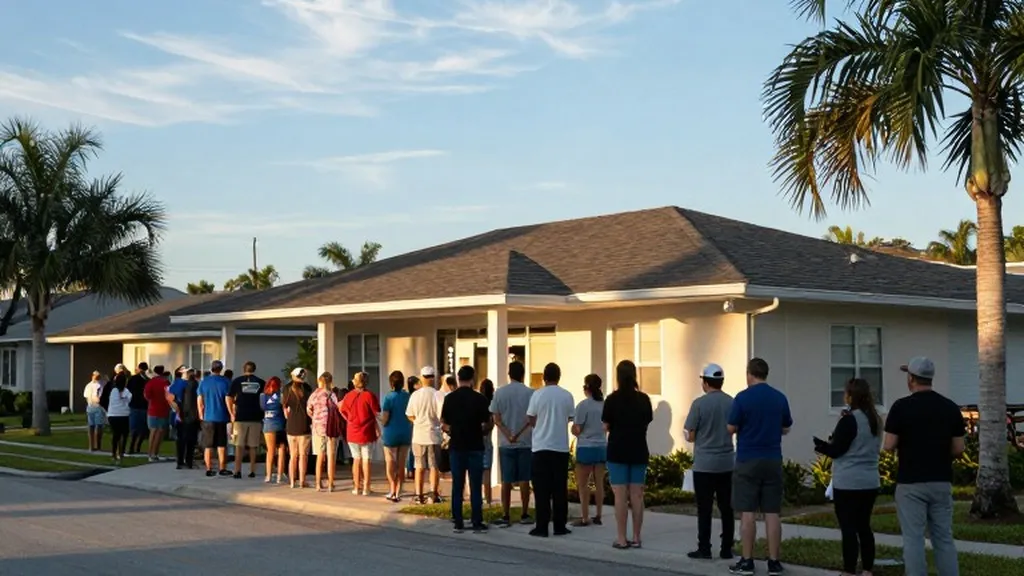
Voting access has been expanded throughout the fall. Mail ballots have been returned since October 5, and early in-person voting began on October 24. All polling locations opened on October 31 and remain open from 7 a.m. to 8 p.m. on Tuesday. Voters in line after 8 p.m. are still permitted to cast their ballots. The last day to register for a mail ballot was October 9, though unregistered citizens can still request a provisional ballot at the polls.
Preliminary results may be announced on Tuesday night, but final certification for the governor and Los Angeles mayor races could take several days. Election officials will continue counting mail ballots postmarked by November 3 until November 10, when counties must finalize their totals.
Source: La Opinión