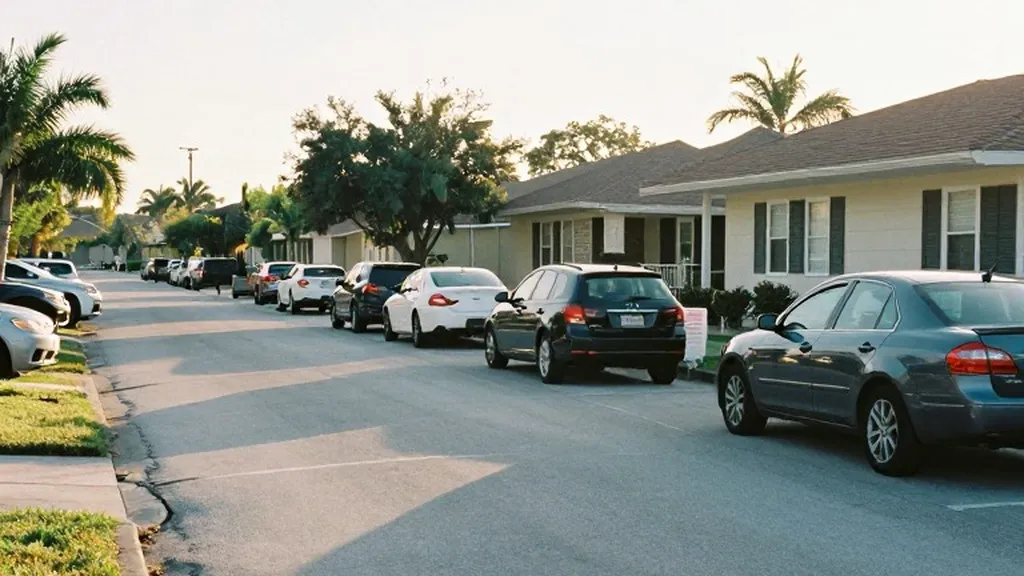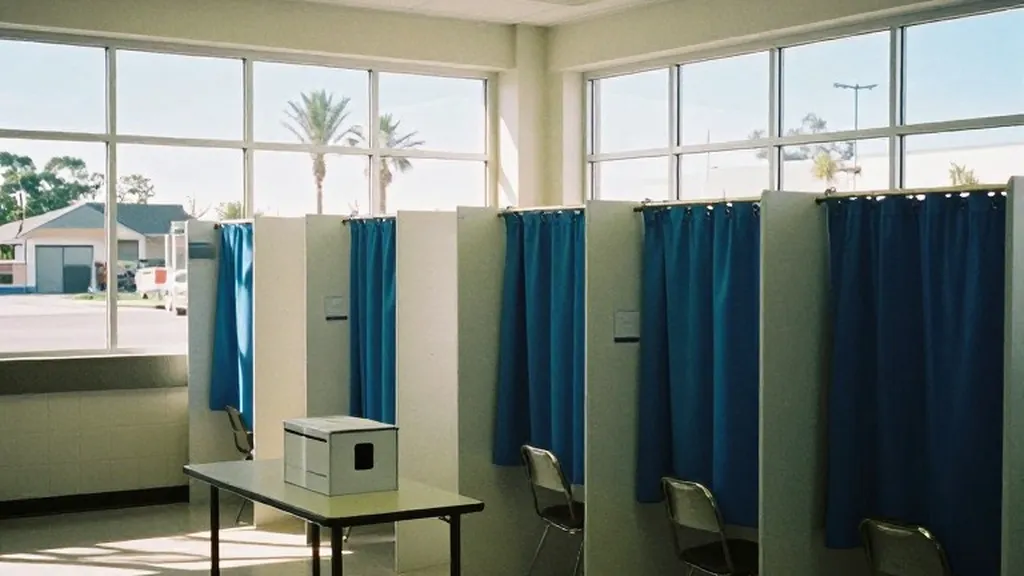
Pinellas Voters Tackle Senate Special Race as 35 Seats Up for Grabs
Local officials track the 13 key Senate races that will determine congressional control, while Florida voters weigh in on a special election and state measures.
By Jason Lee ·
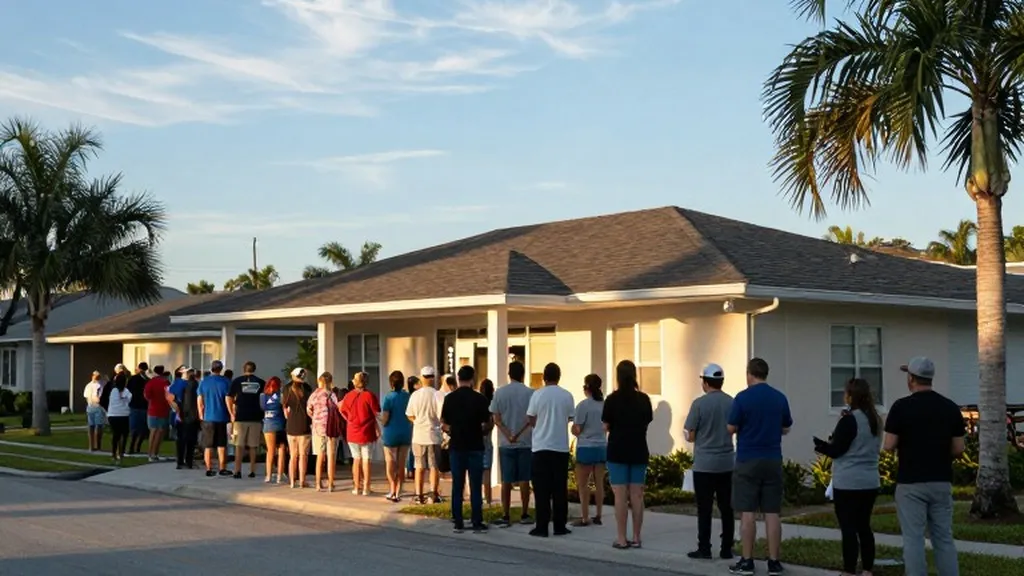
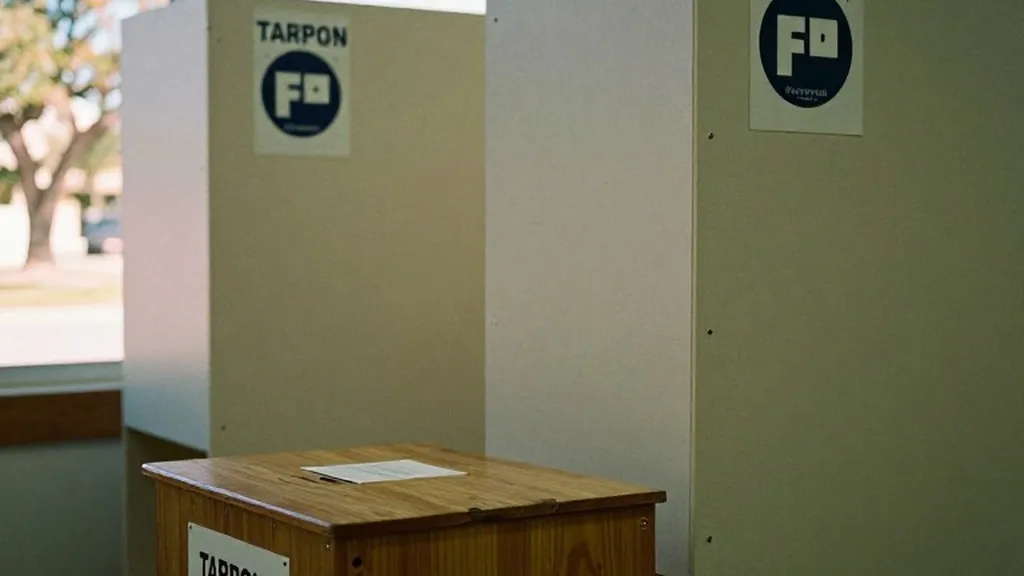
In Tarpon Springs and across Pinellas County, voters headed to polling places at 7 a.m. to participate in the 2026 midterm elections. The polls remain open until 7 p.m., a window that allows residents in Clearwater, Largo, and Pinellas Park to cast ballots for a variety of federal, state, and local offices. According to Ballotpedia, Florida is divided between the Eastern and Central time zones, but the state operates under a unified voting schedule for this general election. Citizens are encouraged to verify their specific polling locations at vote.gov, as local arrangements can vary by county.
While no regular U.S. Senate seat is up for election in Florida this year, voters in the state are deciding a special election to fill the remainder of the term Marco Rubio was elected to serve in 2022. Ballotpedia lists Ashley B. Moody, a Republican incumbent, on the ballot for this specific race. This contest is one of two special elections included in the 35 total Senate seats up for grabs nationwide. The other special election is taking place in Ohio, where voters are selecting a successor for the term JD Vance was elected to in 2022.
The national picture involves 35 of the 100 U.S. Senate seats being decided, comprising 33 regular elections and the two special contests mentioned. Republicans currently hold 53 seats in the Senate, while Democrats hold 45, with two independents who caucus with the Democrats. To secure a majority, Democrats need to achieve a net gain of four seats, whereas Republicans can afford to lose no more than two. Eleven senators, including four Democrats and seven Republicans, are not running for re-election, adding to the volatility of the 2026 cycle. Winners will begin their six-year terms on January 3, 2027.
Ballotpedia identifies 13 specific Senate races as battlegrounds where the outcome could swing the balance of power in the chamber. These races span states with varying 2024 presidential margins, from Alaska where Donald Trump won by 13.1 points to Maine where Kamala Harris won by 6.9 points. The list includes races in Georgia, Iowa, Kansas, Michigan, Montana, Nebraska, New Hampshire, North Carolina, and Texas. In several of these contests, former senators are retiring or facing challengers from the opposing party, creating open or contested seats that national parties are watching closely.
Recent ratings from Cook, Decision Desk, Inside Elections, and Sabato as of October 27 highlight the competitiveness of these districts. Maine is currently a toss-up across all four rating systems, while Iowa and Alaska are rated as toss-ups or leaning in different directions. Georgia is seen as leaning to likely Democratic, and Michigan is rated as toss-up to lean Democratic. The Associated Press notes that economic strain and tariffs have made Maine particularly competitive, with Senator Susan Collins facing Democratic former state Senate President Troy Jackson.
Other high-profile matchups include North Carolina, where Democratic former Governor Roy Cooper is running against former Republican National Committee chair Michael Whatley. In Ohio, Democratic former Senator Sherrod Brown is challenging Republican Senator Jon Husted. In Texas, Republican Attorney General Ken Paxton is running against Democrat James Talarico, a race the Associated Press notes was influenced by President Trump backing Paxton over Senator John Cornyn in the primary. Michigan features a contest between Republican former Representative Mike Rogers and Democrat Abdul El-Sayed, with El-Sayed's former primary opponent Haley Stevens endorsing Rogers on Sunday.
The mood heading into this election is described by the Associated Press as a referendum on President Trump's second term, with voters citing high prices and an unpopular war with Iran as primary concerns. AP-NORC polling indicates that 35 percent of U.S. adults approve of Trump's job performance, while about seven in 10 say the country is heading in the wrong direction. More than 57 million people had already voted as of Monday, surpassing early vote numbers from four years ago in many closely watched states. Republicans are bracing for the possibility of losing the House but are fighting to hold the Senate, while Democrats are described as cautiously optimistic.
In Florida, voters are also deciding the governor's race, which is an open seat with no incumbent running. The ballot includes candidates from the Democratic, Libertarian, No Party Affiliation, and Republican parties. According to the Associated Press, Florida is considered a competitive governor race alongside Texas and Iowa. Additionally, every U.S. House seat in the state is on the ballot, along with state and local offices. The state is using a new congressional map following mid-decade redistricting, a change that may impact how districts vote compared to previous cycles.
Three ballot measures are also on the Florida ballot, all of which were passed by the Legislature and are subject to voter approval. Amendment 1 concerns budget stabilization, increasing the amount of funds that may be retained in the budget stabilization fund from 10 percent to 25 percent of net general revenue. Amendment 2 addresses agriculture and tax exemptions, specifically exempting agricultural-related tangible personal property, such as farm equipment or tools, from property taxes. Amendment 3 deals with local government and property taxes, aiming to increase the homestead tax exemption and limit how municipalities can spend property tax revenue.
The 2026 elections are expected to be the most expensive in history, with Republican committees outraising and outspending Democratic committees at the committee level, aided by Trump-affiliated groups and Elon Musk. However, at the candidate level, Democrats outraised their opponents. Analysis by the Associated Press of AdImpact data shows that 88.1 percent of Republican general election TV ad spending went to states and districts that Trump won in 2024. This financial disparity reflects the intense focus on holding ground in the Senate while attempting to make gains in the House, where all 435 seats are up for election.