California drivers may face $1,000 annual fee if mileage tax proposal advances
Governor candidates divide over a new tax on electric vehicle usage as the state faces a projected drop in gas tax revenue.
By Jason Lee ·
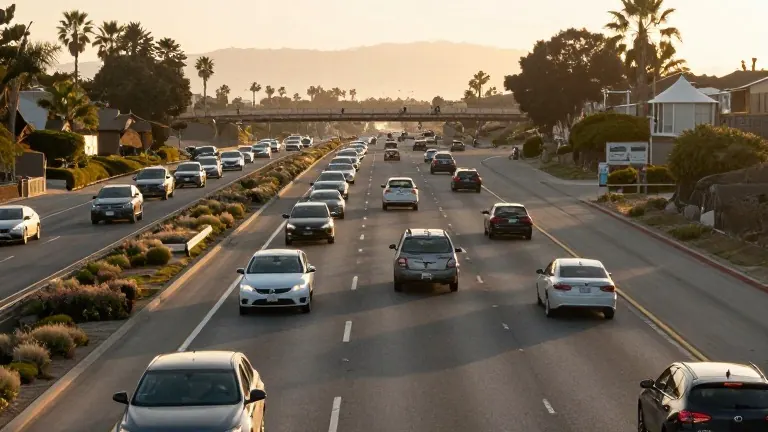
Drivers in California could pay an additional $1,000 per year for road usage if a proposed vehicle-miles-traveled tax becomes law. The debate has intensified in the final days before the November gubernatorial election, with both major candidates weighing in on how to fund the state's aging infrastructure.
The proposal stems from a study bill, Assembly Bill 1421, which Democratic Assemblywoman Lori Wilson said extends research begun in 2014. Wilson, who endorsed Democratic candidate Xavier Becerra, argued that the state needs a plan to replace revenue lost to the growing number of electric vehicles. She noted that the state already collects the highest gas tax and vehicle registration fees in the country.
According to calculations from Republican state lawmakers, the tax would charge drivers between 6 and 9 cents per mile. For the average driver, this translates to roughly $1,000 in new annual costs. The fee is intended to address a gap in road funding as electric vehicles, which do not pay gas taxes, become more common on the road.
Democratic gubernatorial candidate Xavier Becerra indicated he is open to the idea. In an interview with KCRA 3 political director Ashley Zavala, Becerra said, "Everything should be on the table." He acknowledged that roads require funding, stating, "Our roads aren't paid for by some magic wand; we have to pay for it. Do I want to tax people more than necessary? No."
Republican gubernatorial candidate Steve Hilton strongly opposes the measure. Hilton told FOX 11 that 93 percent of cars and trucks on California roads still run on gas or diesel. He argued that it is incorrect to frame the issue as a problem requiring a mileage tax solution right now. Hilton described the potential tax as adding to the financial burden on drivers, who already pay the highest registration fees and gas taxes in the nation.
A spokesperson for the Becerra campaign clarified his position in a written statement, noting that Becerra has not proposed the tax. The campaign emphasized that working families already pay their share and suggested that under Becerra's leadership, billionaires would also pay their fair share.
Kate Gordon, CEO of California Forward, suggested that other revenue streams exist to fund roads. Gordon pointed out that heavier vehicles cause more wear and tear on pavement, implying that taxes on heavy-duty trucks could be a more equitable solution. She stated that the state must become creative in finding new avenues to pay for infrastructure.
The election is scheduled for November 3. The outcome will determine which candidate's approach to state budgeting and transportation funding will move forward. Both parties continue to debate the best way to balance the books while maintaining the state's road network.
Source: KTTV