Pinellas voters decide open Florida governor's race amid 18-18 national split
With no incumbent on the ballot, Florida's governor's race is one of 19 open seats in a historic 18-18 partisan split across 36 states.
By Jason Lee ·
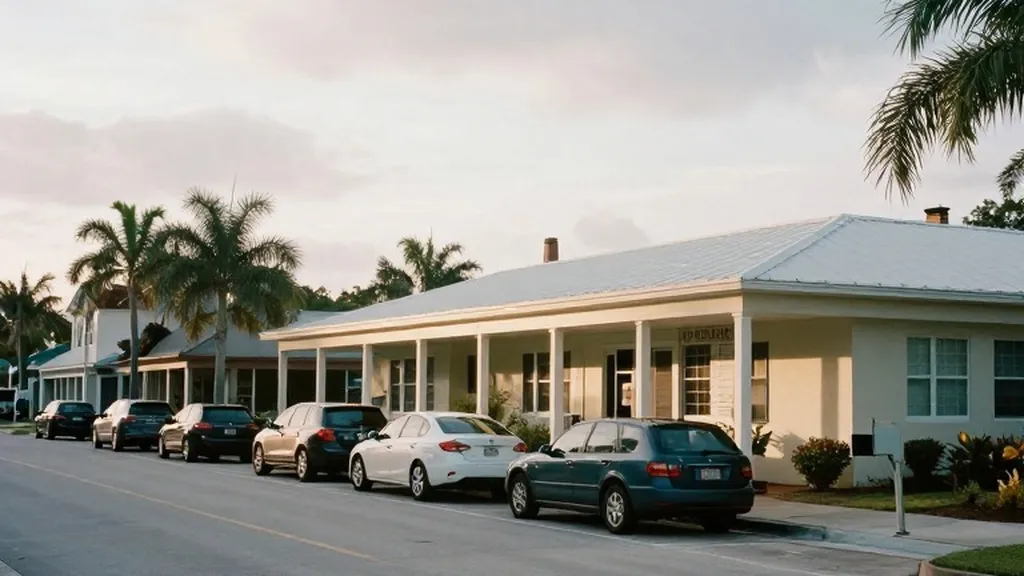
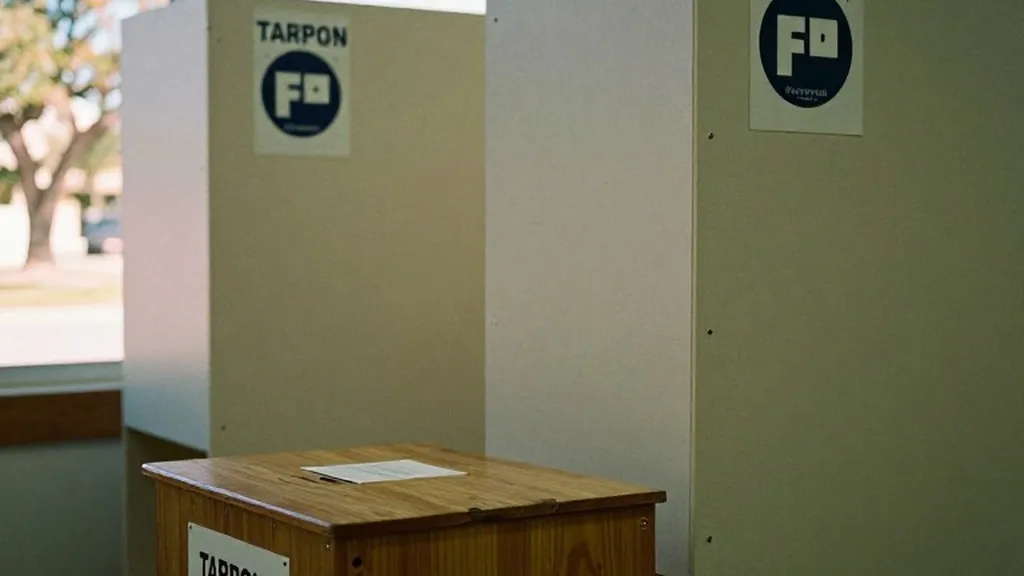
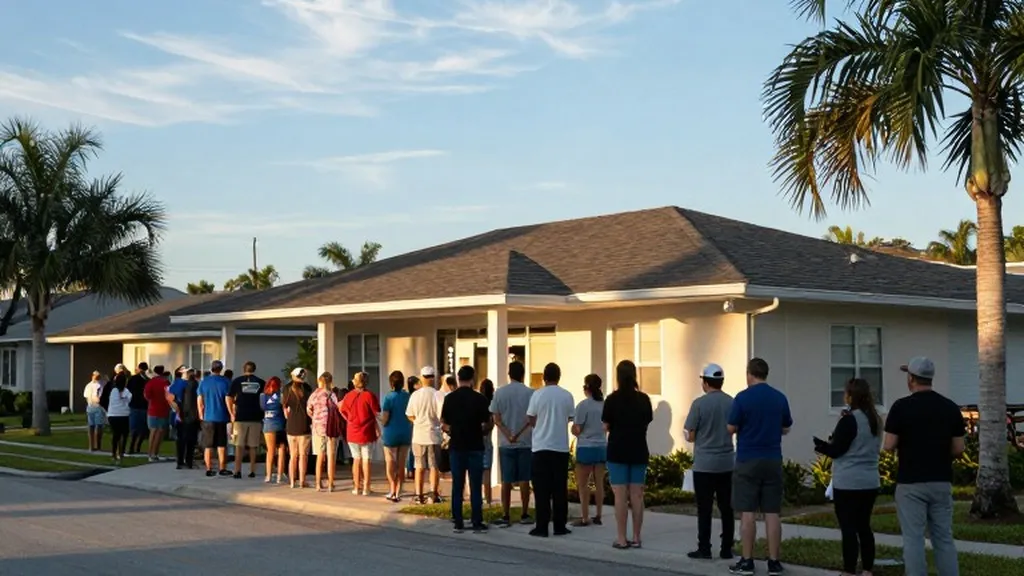
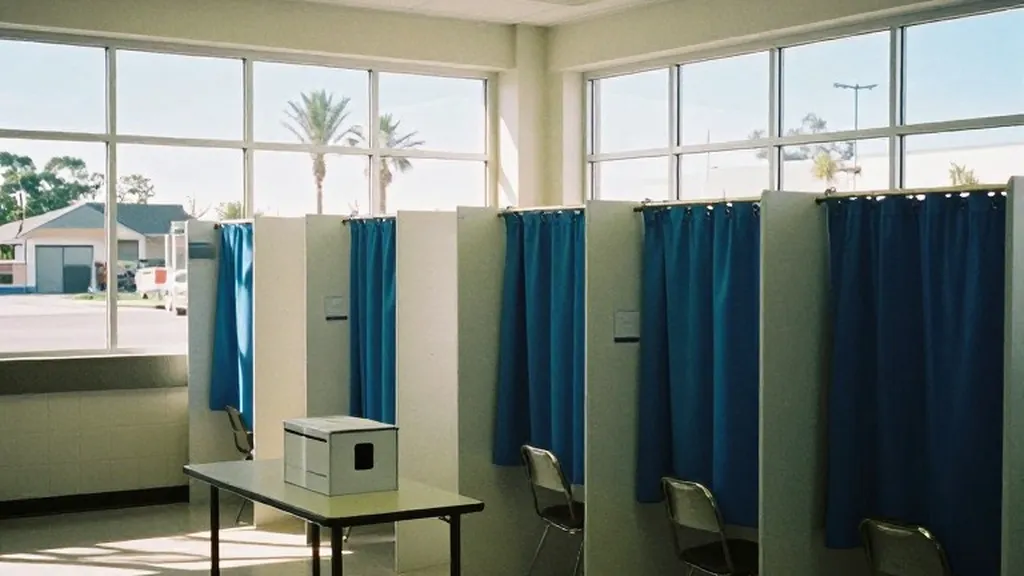
In Tarpon Springs, Clearwater, and Largo, voters are heading to the polls on a Tuesday that marks a pivotal moment for Florida state government. The polls are open from 7 a.m. to 7 p.m., with the state divided between Eastern and Central time zones. For the first time in years, Florida voters are choosing a new governor without an incumbent on the ballot. According to Ballotpedia, this open seat is part of a broader national trend where 19 of the 36 governorships up for election lack a sitting official. Voters in Pinellas County will also select candidates for every U.S. House seat in the state, along with various local offices and ballot measures.
The national landscape for gubernatorial races is uniquely balanced. Heading into this election, Republicans hold 26 governor's offices and Democrats hold 24. However, among the 36 states voting today, each party holds exactly 18 seats. This 18-18 split creates a mathematical precision in the stakes. Democrats would need to win just two additional governorships from this group to secure a nationwide majority, a feat they have not achieved since 2010. Republicans, holding the status quo in the current count, are focused on maintaining their foothold in these key states.
The absence of incumbents in 19 races is largely due to term limits and personal choices. Fifteen governors are term-limited and must step down. Additionally, three sitting governors chose not to seek reelection: Kim Reynolds of Iowa, Tim Walz of Minnesota, and Tony Evers of Wisconsin. In Rhode Island, Governor Daniel McKee lost his primary race. These open seats allow challengers to frame the race around new leadership rather than the performance of a specific individual, a dynamic that is particularly prominent in Florida where Jimmy Patronis is not running for re-election as governor but is on the ballot for another office.
Nine states are considered battlegrounds for governor, including Florida, which the Associated Press identifies as a competitive race. Other contested states include Alaska, Arizona, Georgia, Iowa, Kansas, Michigan, Nevada, Ohio, and Wisconsin. In Florida, the parties on the ballot include the Democratic, Libertarian, No Party Affiliation, and Republican parties. The AP notes that Democrats are hoping to hold a majority of governorships for the first time in two decades, while Republicans are bracing for potential losses in the House while fighting to hold the Senate.
Specific matchups in these battlegrounds have drawn national attention. In Georgia, Republican health care executive Rick Jackson faces Democratic former Atlanta Mayor Keisha Lance Bottoms. In Nevada, Republican Governor Joe Lombardo is running against Democratic Attorney General Aaron Ford. In Ohio, Vivek Ramaswamy is challenging Amy Acton, a race that has seen intense media coverage regarding campaign ads. In Michigan, the race is part of a broader set of competitive districts that could shift the balance of power in the state legislature and potentially influence the governor's office in future cycles.
Florida is also using a new congressional map for this mid-decade redistricting cycle, joining California, Missouri, North Carolina, Tennessee, and Texas in adopting new boundaries. Ohio is also using a new map. The AP notes that while Republicans hoped to beat the traditional midterm pattern of losing seats through redistricting, the new districts in Florida and elsewhere may not vote as originally drawn. This uncertainty adds a layer of complexity to the day's voting behavior, as voters in Pinellas County weigh their choices in light of these shifting political landscapes.
The mood in the country is described by the Associated Press as a referendum on President Donald Trump's second term. Polling from AP-NORC indicates that 35 percent of U.S. adults approve of the president's job performance, while only 25 percent approve of his handling of the economy. About seven in 10 voters say the country is heading in the wrong direction. Many voters in Florida and across the nation are struggling with high prices and are angry over an unpopular war with Iran. More than 57 million people had already voted as of Monday, surpassing the early vote totals of four years ago in many closely watched states.
In the governor's race specifically, the AP highlights that Florida is one of the key states where the outcome will be closely watched. The race is not just about who becomes governor but also about the broader partisan balance in statehouses. The 18-18 split means that every single vote in these 36 states carries equal weight in determining which party controls the majority of governorships. For voters in Tarpon Springs and the rest of Pinellas County, this means their choice today contributes to a national tally that will define the balance of executive power in the United States for the next two years.
As voters cast their ballots, they are also considering the implications for the U.S. Senate, where 35 seats are up for election. While Florida is not holding a regular Senate election this year, there is a special election for the remainder of the term left by Marco Rubio. The AP notes that Republicans hold 53 Senate seats and Democrats hold 45, with two independents caucusing with Democrats. Democrats need a net gain of four seats for a majority. The governor's race is often seen as a bellwether for the state's overall political direction, and in Florida, the open seat makes this year's race particularly significant for the state's future leadership.
The day's voting also includes local measures in Florida, such as Amendment 1 on budget stabilization, which would increase the amount of funds retained in the budget stabilization fund from 10 percent to 25 percent of net general revenue. Amendment 2 would exempt agricultural-related tangible personal property from property taxes. Amendment 3 would increase the homestead tax exemption and decrease the cap on how much the assessed value of non-homestead properties can increase. These local decisions, combined with the choice of governor, reflect the wide range of issues facing voters in Pinellas County today.