Pinellas voters weigh record spending in historic midterm
Florida's governor's race and House seats face intense scrutiny as national committees pour billions into the most expensive election cycle ever recorded.
By Chloe Martin ·
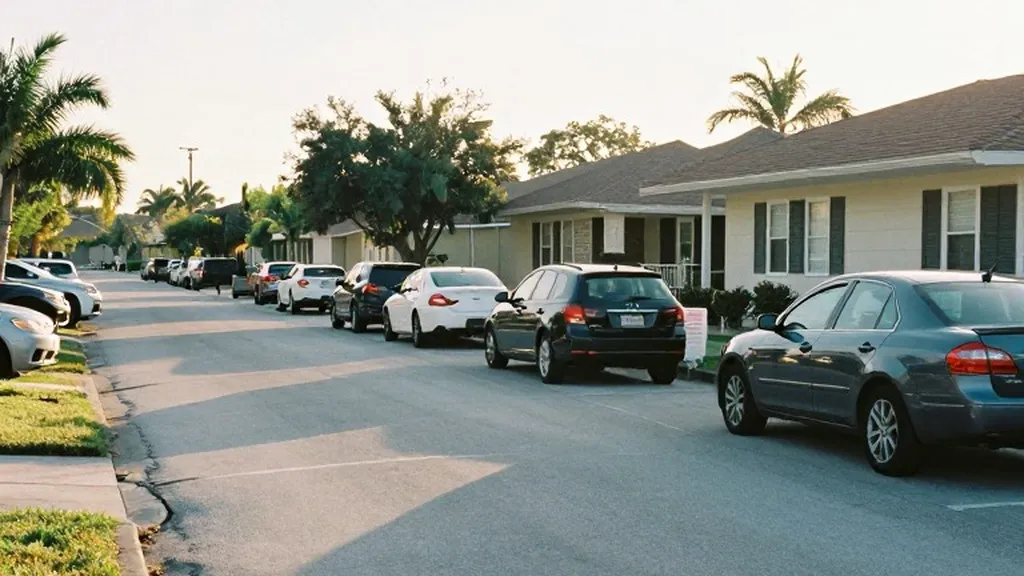
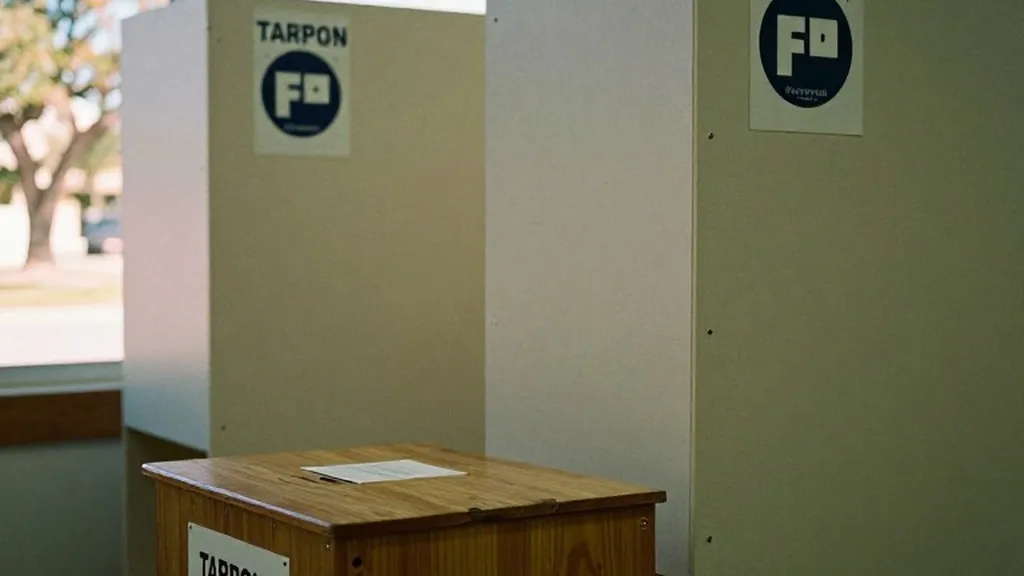
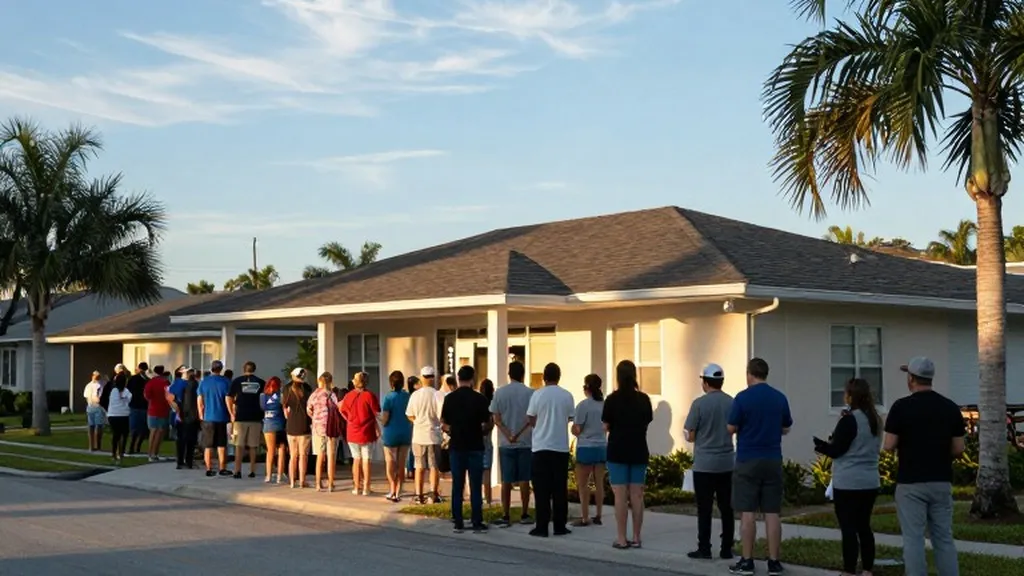
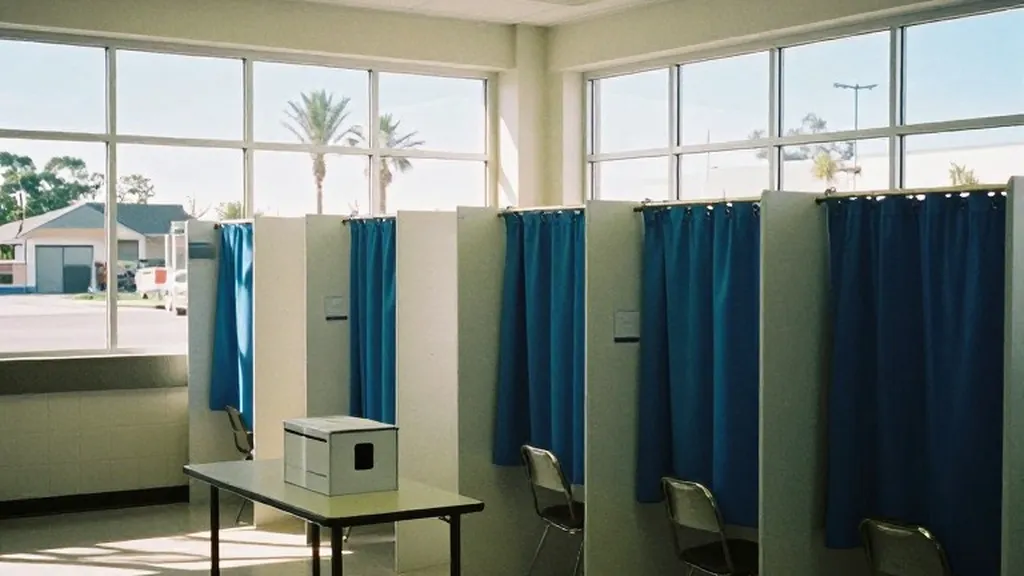
Voters in Tarpon Springs, Clearwater, and Largo began casting ballots at 7 a.m. today as Florida joined the nation in the most expensive midterm election in history. The state is divided between the Eastern and Central time zones, meaning polls in the western parts of Pinellas County close at 6 p.m. Central time while those in the eastern parts close at 7 p.m. Eastern time. Residents are deciding not only the state's next governor in an open seat but also every U.S. House district and the special U.S. Senate race to complete the term of former Senator Marco Rubio.
The financial stakes of the 2026 election have reached unprecedented levels, with total spending expected to surpass all previous cycles. According to an analysis by the Associated Press, Republican committees have outraised and outspent their Democratic counterparts at the committee level. This advantage has been significantly bolstered by funding from Trump-affiliated groups and billionaire Elon Musk. However, the picture changes at the candidate level, where Democrats have managed to outraise their Republican opponents, creating a complex landscape of financial resources across different tiers of the campaign structure.
The allocation of these funds has been heavily concentrated in areas that already lean toward the Republican side. The Associated Press reports that 88.1 percent of all Republican general election television ad spending went to states and districts that Donald Trump won in the 2024 presidential election. Within that figure, more than 850 million dollars was spent in districts where Trump won by a margin of ten points or more. This strategy suggests a focus on consolidating support in safe Republican territories rather than solely targeting narrow battlegrounds, a move that contrasts with the traditional emphasis on flipping competitive districts.
In Florida, the governor's race is particularly intense, with no incumbent on the ballot due to term limits. The AP has identified Florida as a competitive governor's race alongside Texas and Iowa. Candidates from the Democratic, Republican, Libertarian, and No Party Affiliation parties are vying for the office. The outcome of this race will determine whether Democrats can achieve a nationwide majority of governorships for the first time since 2010. Currently, Republicans hold 26 governor's offices and Democrats hold 24, with each party holding 18 of the 36 governorships on the ballot this year.
The national picture reflects a similar financial disparity and strategic focus. Republicans are bracing for the possibility of losing the U.S. House of Representatives while fighting to maintain their majority in the Senate. The AP notes that one or two seats could tip either chamber, making the outcome of the election highly sensitive to small margins. Democrats, meanwhile, are described as cautiously optimistic, relying on their candidate-level fundraising advantage to counter the broader committee spending advantage held by Republicans.
In the U.S. Senate, 35 seats are up for grabs, including 33 regular elections and two special elections. The special elections in Florida and Ohio are designed to fill the remaining terms of seats that were vacant when Marco Rubio and JD Vance were elected to the vice presidency. Republicans currently hold 53 seats, while Democrats hold 45, plus two independents who caucus with the Democratic party. Democrats need a net gain of four seats to achieve a majority, whereas Republicans can afford to lose only two. The high cost of these campaigns mirrors the national trend, with significant advertising dollars flowing into key states like Florida, Georgia, and Ohio.
The House of Representatives sees all 435 seats up for election. Republicans hold 218 seats and Democrats hold 214, with one independent and several vacancies. Democrats require a net gain of three districts to secure a majority, while Republicans can lose no more than two. Ballotpedia has identified 46 battleground districts, with 25 currently held by Democrats and 21 by Republicans. The intense competition in these districts is driving much of the record spending, as both parties vie for control of the chamber that holds significant investigative and impeachment powers.
The mood among voters appears divided, with the Associated Press describing the election as a referendum on President Trump's second term. Polling from AP-NORC indicates that 35 percent of U.S. adults approve of Trump's job performance, while only 25 percent approve of his handling of the economy. About seven in 10 respondents say the country is heading in the wrong direction. Many voters cite high prices as a primary concern, a theme that has driven significant advertising spending in both Florida and other key states. The financial intensity of the campaigns is reflected in the sheer volume of television ads and digital outreach directed at voters in places like Pinellas County.
As polls close, the focus shifts to how these massive expenditures will translate into votes. The Republican committee edge, fueled by major donors and high-profile figures like Musk, has allowed for a sustained presence in media markets across the country. Conversely, the Democratic candidate-level edge suggests a more targeted approach at the individual race level. The interplay between these two funding models will likely determine the final outcome in close races, including the governor's office in Florida and the special Senate election.
The election results will also have implications for the future of the Democratic and Republican parties. A strong Democratic night could boost potential 2028 presidential candidates such as Gavin Newsom, JB Pritzker, and Pete Buttigieg, while complicating the path for Vice President JD Vance. Republicans, who have tried to beat the historical midterm pattern of the president's party losing seats through redistricting, face a challenging landscape where new districts in Florida and elsewhere may not vote as drawn. The record spending on this election underscores the high stakes involved in determining the balance of power for the next two years.