US Military Moves Forces as Iran Rejects Latest Diplomatic Response
Iranian officials say Washington's reply to seven demands is insufficient, while US carrier groups and air assets arrive in the Middle East.
By Jason Lee ·
The United States is moving additional military assets into the Middle East while diplomatic talks with Iran remain stalled. Iranian Supreme National Security Council Secretary Mohsen Rezaei stated on Tuesday that the latest response from Washington was not convincing. He confirmed that his office recently received a letter from US Vice President JD Vance regarding the ongoing negotiations.
Rezaei wrote on X that the US response failed to address Iran's core demands. He said the Strait of Hormuz would only open once Washington provided a full and explicit answer to seven specific conditions. These conditions include a complete stop to the war in Gaza and Lebanon, the lifting of all sanctions, and the return of frozen Iranian assets. Iran also seeks compensation for war damages, international guarantees against future attacks, and formal recognition of its sovereignty over the strait.
Mediators from Qatar, Russia, and China have attempted to secure a breakthrough in recent days. These efforts aimed to avert a potential American military strike. Despite the involvement of these third parties, the two sides have not yet reached an agreement that satisfies Tehran.
US military cargo aircraft have been tracked flying from Fort Bliss in El Paso, Texas, to bases in Israel. Flight tracking data from FlightRadar24 shows several of these planes arriving in the region in recent days. Fort Bliss serves as a major center for air and missile defense command and houses missile interceptors and air-defense systems.
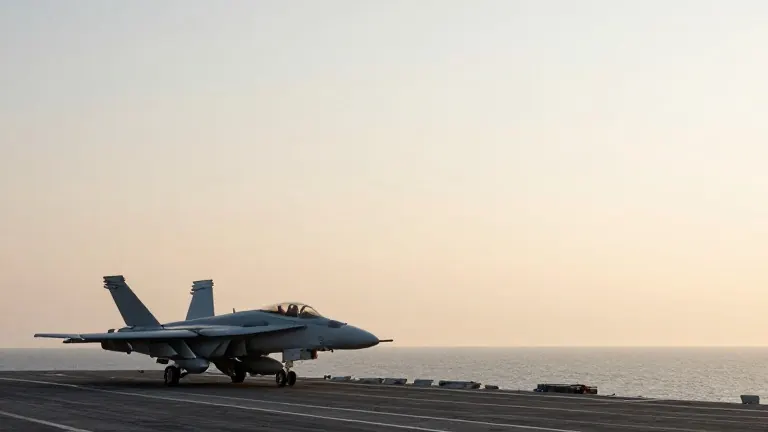
The USS Theodore Roosevelt aircraft carrier and its strike group are currently near the Strait of Malacca. The carrier is expected to reach the US Central Command area of responsibility by next week. This move would bring the total number of US aircraft carriers in the Middle East to three, a level of presence not seen in previous operations.
US officials told The New York Times that Central Command prepared plans for strikes as early as Wednesday, following the US midterm elections. The decision to launch an attack rests with the US president. The current deployment of forces suggests a high level of readiness for potential action.
Iran's demands remain the primary hurdle for negotiations. The US side has yet to provide the explicit response requested by Rezaei. The arrival of the carrier group and the continued transport of air-defense equipment indicate that both military and diplomatic tracks are active simultaneously.
Source: The Jerusalem Post